Niacinamide or Shea Butter: which one for your skin?
One is an active, the other is a raw material: the comparison concerns two different roles. Niacinamide is a form of vitamin B3 that affects skin function. Shea butter is a vegetable fat that protects the skin's surface. You cannot substitute one for the other.
What distinguishes them
| Criterion | Niacinamide | Shea Butter |
|---|---|---|
| Nature | active, vitamin B3 | vegetable fat |
| INCI Name | niacinamide | butyrospermum parkii butter |
| Action | barrier, shine, complexion | protects, limits evaporation |
| Place | serum, early | last step |
| Skin type | all | dry skin, body |
| Usage | daily, morning and evening | depending on season and area |
What niacinamide does
It is one of the best-documented active ingredients in common cosmetics. It strengthens the skin barrier, which means the skin loses less water and withstands aggressions better.
It also acts on sebum production, which helps limit shine, and on complexion evenness. Two to five percent is sufficient: beyond that, the benefit is not proven, and initial redness becomes more frequent.
Its drawback is its slowness. Allow six to eight weeks of daily use before judging its effectiveness on skin texture and complexion.
What shea butter does
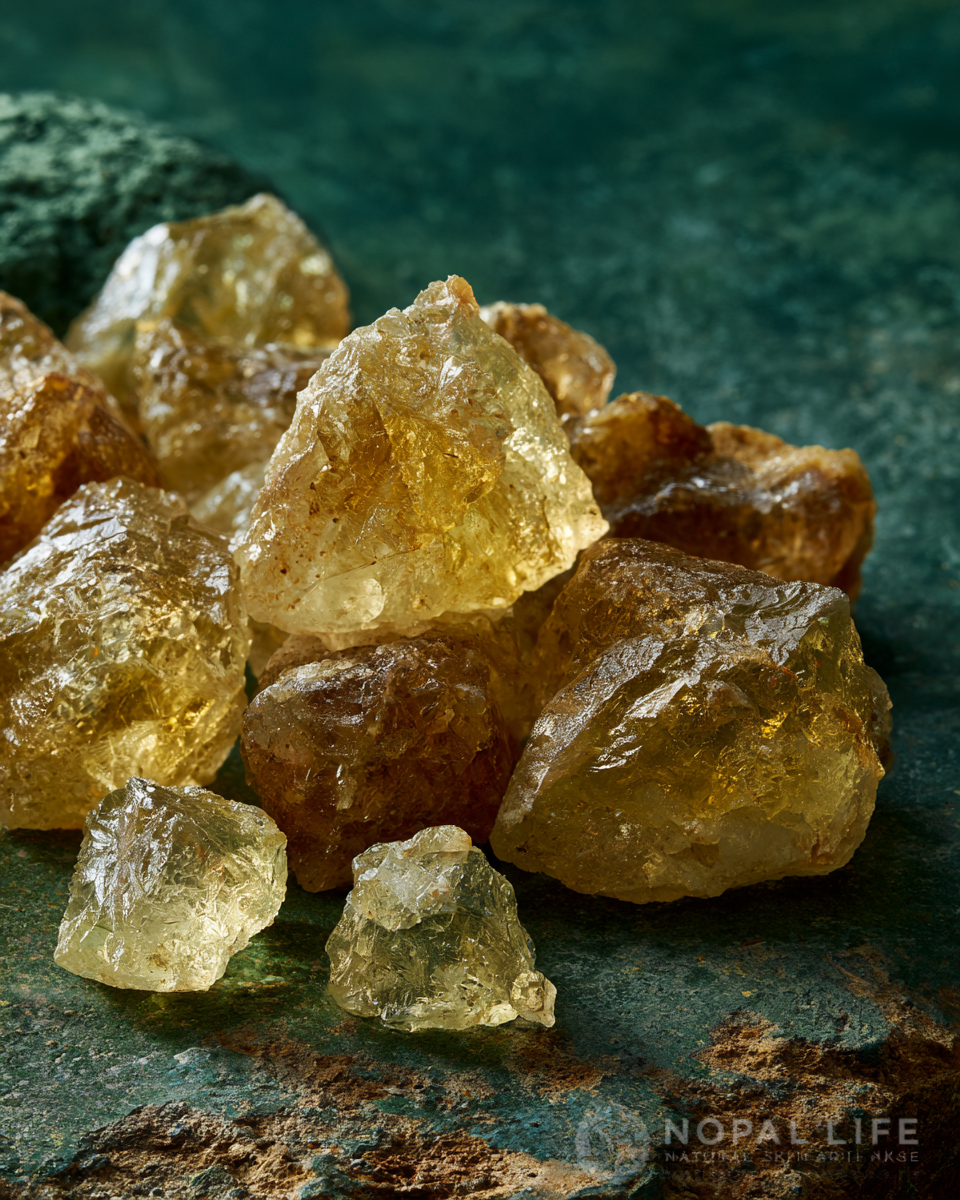
Derived from the nuts of the shea tree, it appears on ingredient lists under the name butyrospermum parkii butter. It is dominated by oleic acid and stearic acid, and its unsaponifiable fraction gives it soothing properties.
Its strength is surface protection: applied in a layer, it very effectively slows down water loss. It is a moisturizer in the broader sense — it doesn't provide water, it prevents the existing water from evaporating.
Raw, unrefined butter retains more useful compounds than refined, whiter, and odorless butter.
Which to choose
Sensitive, reactive skin: both are suitable, but start with shea butter, which requires no precautions.
Oily skin, visible pores: niacinamide. Shea butter is too rich for this area on the face.
Dry, uncomfortable skin: shea butter as the last layer, with a niacinamide serum underneath if you want to act on the underlying issue.
Body, hands, heels: shea butter without hesitation, at a cost that allows for generous use.
Why combining them makes sense
They occupy neither the same phase nor the same step. Niacinamide is water-soluble and applied early; butter is fatty and comes last. There are no interactions to manage.
For dry skin that also lacks barrier firmness, this combination covers both needs: the serum acts on function, the butter on impermeability.
The protocol
1. Gentle cleansing, dabbing rather than wiping.
2. Niacinamide serum, distributed in a few spots on the face.
3. One minute wait.
4. A small amount of shea butter, warmed between the fingers until fluid.
Used cold, it remains in patches and penetrates poorly. This detail explains most bad experiences with this product.
A cream containing both
Many creams already combine an active ingredient and a fat. This is convenient and often sufficient for normal skin.
Two separate products, however, allow for adjustment: more butter in winter, less in summer, without touching the serum. For skin that changes with the seasons, this flexibility is better than convenience.
Before starting
Niacinamide sometimes causes a slight warming sensation in the first few days. Introduce it every other evening for a week, then switch to daily if all goes well.
Shea butter is very well tolerated. On the face, however, test a small area if your skin is prone to imperfections: its richness is not suitable for everyone.
Limitations
These products are cosmetics: they act on the appearance and comfort of the skin, with no curative aim. Redness that persists beyond two weeks requires the advice of a dermatologist.
The Nopal Life signature treatment


Mature skin · Dry skin

Go further than this article
Get our skincare guides by email — and start with your free skin diagnostic: 2 minutes, advice tailored to your skin. We ship to the US, UK, Canada, Australia and 27 European countries; somewhere else? Sign up and you will be the first to know when we deliver to your country.
By signing up, you agree to our privacy policy. Unsubscribe in one click.