Neurocosmetics 2026: When Stress Shows on the Skin
In 2026, a fundamental trend is emerging: neurocosmetics. The idea? The skin and the nervous system are in constant dialogue, and stress shows on the face. Adaptogenic active ingredients are the new stars.
Skin, an organ influenced by stress
Neurocosmetics explores the link between the skin and the nervous system. Chronic stress is increasingly recognized as both a biological and dermatological factor, capable of altering the skin barrier, accentuating discomfort, and dulling the complexion. Hence the emergence of skincare designed to simultaneously soothe the mind and skin.
Adaptogens enter the scene
Ashwagandha, reishi, rhodiola, ginseng: these plants and fungi from traditional medicine are making a remarkable entry into natural formulations in 2026. Their particularity? Helping the body – and thus the skin – to better adapt to stress and environmental aggressions. Formulations often combine these active ingredients with regulatory complexes, minerals, or soothing peptides.
A global and preventive approach
What distinguishes this trend is its logic: acting on the causes rather than just the symptoms. Adaptogenic skincare accompanies a holistic vision of skin well-being, in line with consumers who now connect beauty, inner balance, and lifestyle.
The principle is based on an ancient fact: skin and brain share a common embryonic origin and communicate via documented neural pathways. Neurocosmetics seeks to build on this communication rather than acting solely on the surface.
In practice, this shifts the focus towards sensory experience — texture, smell, application gesture — which users report changes their perception of the result. Science carefully distinguishes this feeling from a measurable effect on the skin, and skincare products claiming this benefit should make the same distinction.
The NOPAL angle
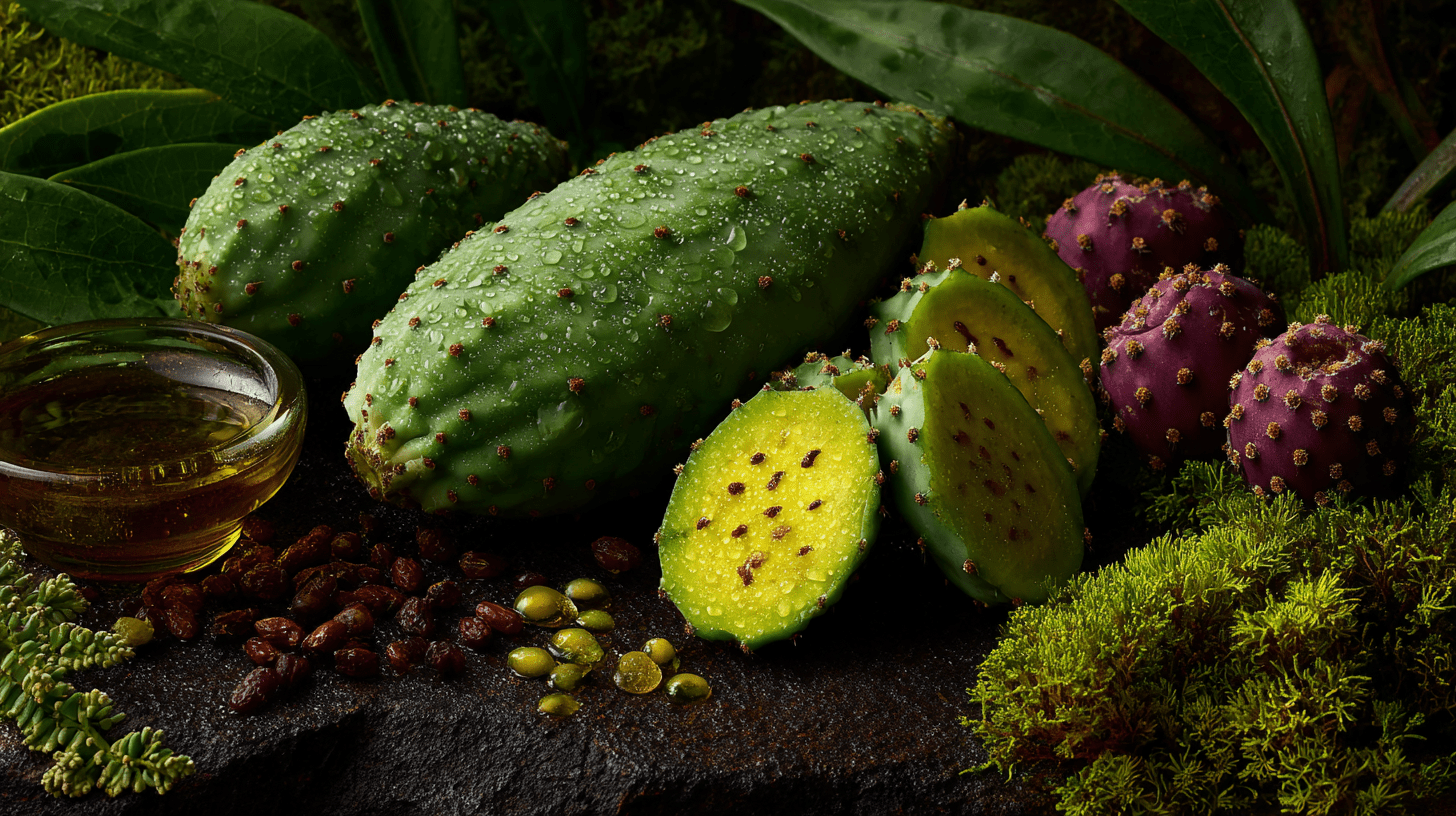
This holistic approach resonates with the NOPAL LIFE philosophy: plant-based active ingredients, skin considered as a whole, and a rejection of excessive promises. Prickly pear, rich in antioxidants, fits into this logic of soothing and protective care. (To read: our guide to anti-stress routines for the skin.) To adapt your routine to your level of skin sensitivity, the Skin Intelligence diagnosis offers a personalized starting point.
Frequently Asked Questions
Are adaptogens effective when applied to the skin?
Research is still young. Initial signs are encouraging for soothing and antioxidant protection, but clinical evidence still needs to be consolidated.
Are neurocosmetics and natural cosmetics compatible?
Absolutely: most adaptogenic active ingredients are plant-based, which makes them particularly suitable for natural and premium formulas.
Sources: Blackbird Skincare, Celtymer, Belle au Naturel (2026). Informational article, not medical advice.
Information provided for cosmetic and educational purposes; it does not constitute medical advice.
PERSONALIZED ROUTINE
Nopal Life Skin Intelligence™
Free diagnostic · 2 minutes
DISCOVER MY ROUTINE →The "2026 Trends" series
What's new in natural cosmetics this year, and what to take away from it.
- Skin longevity: why prevention is dethroning anti-aging in 2026
- Serums 2026: PDRN, exosomes and microbiome, the bio-regenerative wave
- Sea fennel: the rising anti-pollution active ingredient in 2026
- Prickly pear oil: a booming global market (2026)
- AI skin diagnosis: where is the technology in 2026?
- Natural skincare trends 2026: ingredients to watch
The Nopal Life signature treatment


Mature skin · Dry skin

Go further than this article
Get our skincare guides by email — and start with your free skin diagnostic: 2 minutes, advice tailored to your skin. We ship to the US, UK, Canada, Australia and 27 European countries; somewhere else? Sign up and you will be the first to know when we deliver to your country.
By signing up, you agree to our privacy policy. Unsubscribe in one click.