Sea fennel: the rising anti-pollution active ingredient in 2026
Rock Samphire, the New Darling of Botanical Cosmetics
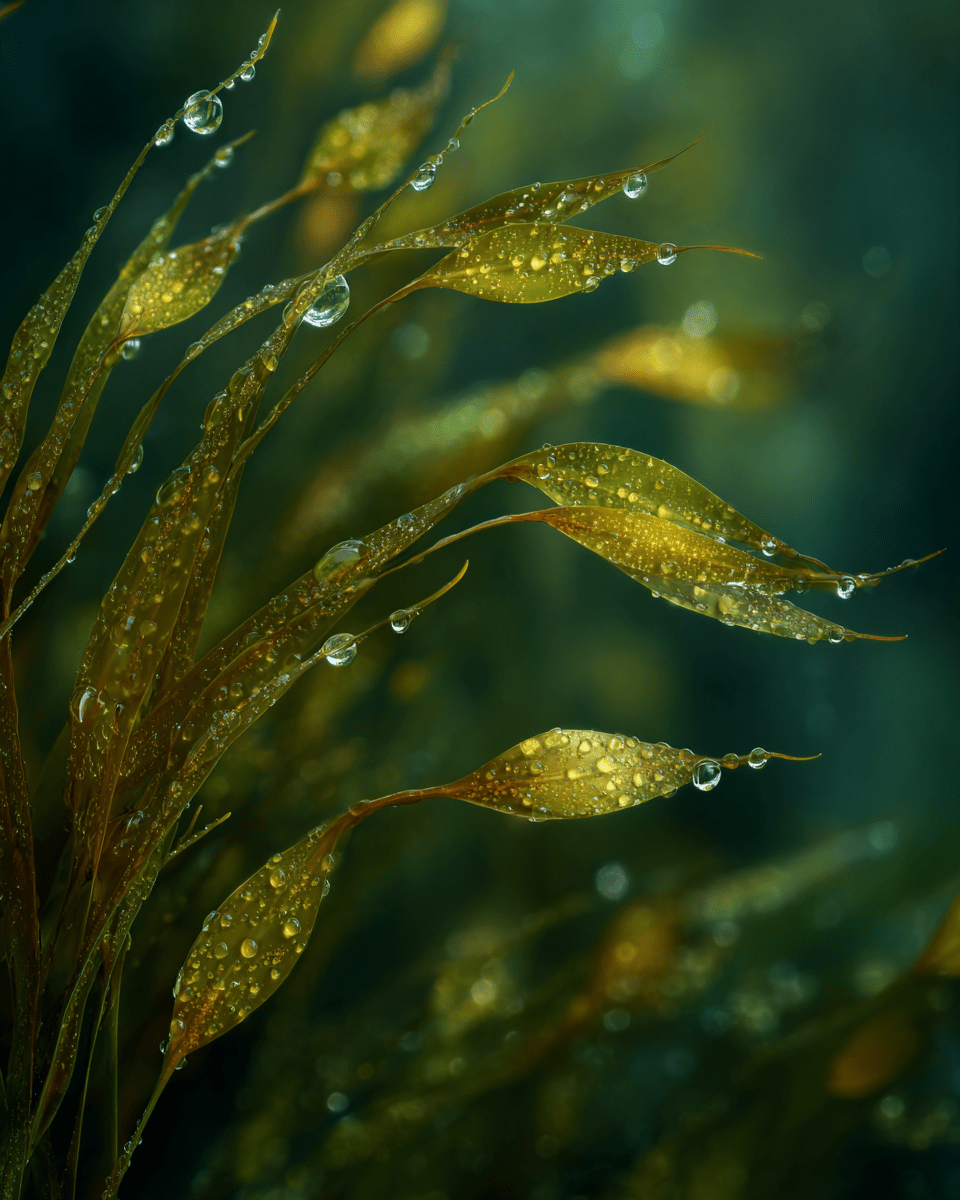
Long confined to chefs' plates under the name "sea fennel," rock samphire (Crithmum maritimum) is experiencing a remarkable breakthrough in cosmetics in 2026. This halophytic plant, which grows on rocks battered by sea spray, is attracting formulators for its natural richness and its "anti-pollution active" narrative, very much in line with current expectations.
Why this enthusiasm in 2026?
Two underlying trends converge. On the one hand, the demand for plant-based and sourced active ingredients, capable of telling a strong origin story. On the other hand, the rise of concerns related to urban exposure (particles, light, daily oxidative stress). Rock samphire ticks both boxes: a resilient coastal plant, traditionally renowned for its vitality, and a "city shield" positioning that resonates with modern routines.
What rock samphire brings to cosmetics
In formulations, rock samphire extracts are valued for their natural content of beneficial compounds (minerals, aromatic acids, vitamins). They are primarily found in skincare products that aim to support radiance and accompany skin exposed to the urban environment daily. Like any cosmetic active ingredient, its role is for care and comfort: it is not a promise of medical treatment but a support for the skin.
How to integrate it into a natural routine
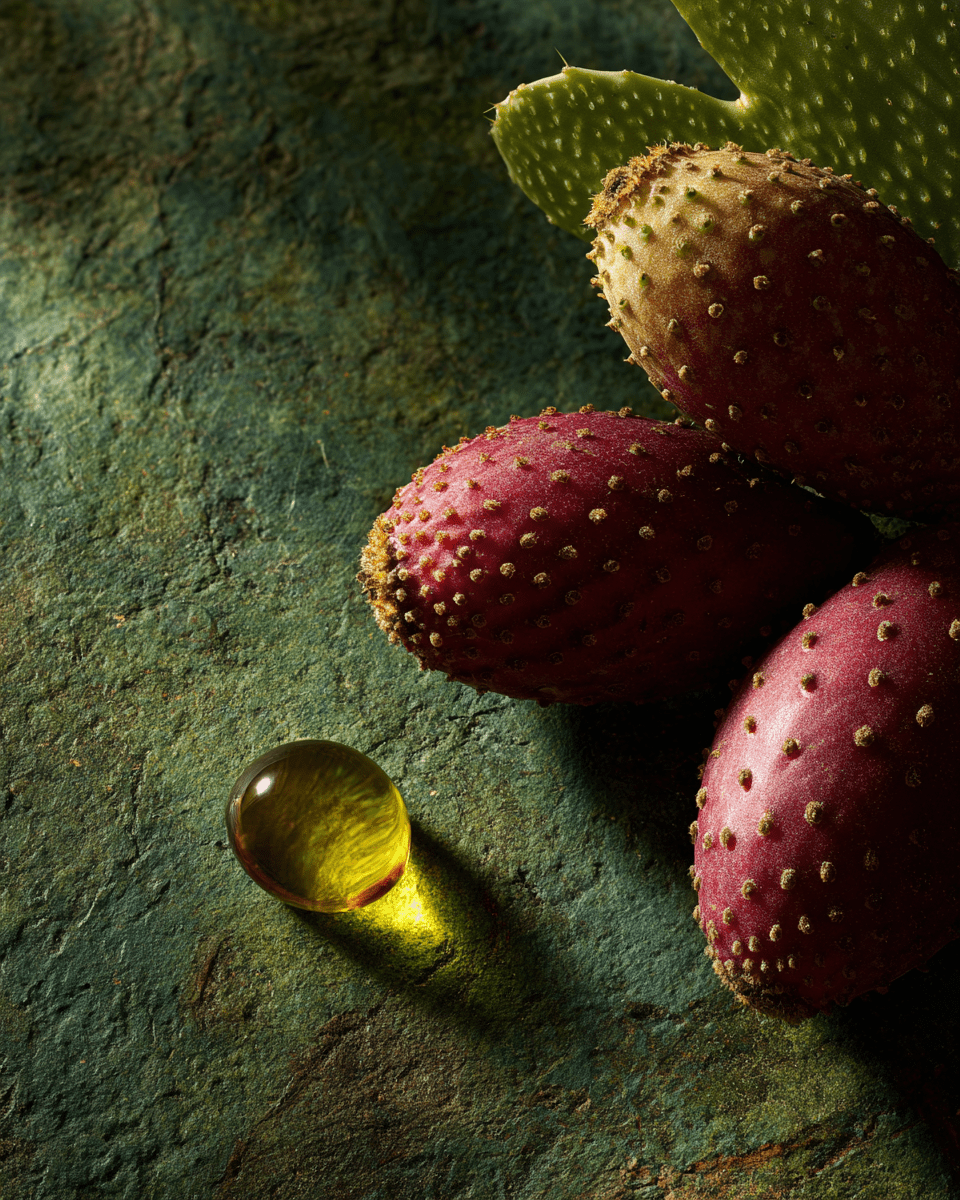
Rock samphire fits well into a morning routine, complementing gentle cleansing and sun protection adapted to exposure. At NOPAL LIFE, this philosophy aligns with that of prickly pear seed oil: plant-based active ingredients chosen to support skin radiance and comfort, without excess.
Should you adopt it?
As with any "trendy" ingredient, the key remains the consistency of the routine and its suitability for your skin type. A diagnosis can help clarify things before adding a new active ingredient.
> Discover your skin's real needs with the NOPAL LIFE Skin Intelligence diagnosis, and find the most suitable plant-based skincare.
FAQ
What is rock samphire?
A coastal plant (Crithmum maritimum), also called sea fennel, whose extracts are used in botanical cosmetics.
Why is it called an "anti-pollution" active ingredient?
The term refers to a cosmetic positioning: to support skin exposed to the urban environment. It describes a skincare use, not a medical action.
For what skin type?
It is mainly for urban skin seeking radiance. A diagnosis helps confirm its relevance in your routine.
Article provided for informational and educational purposes; it does not replace the advice of a healthcare professional.
Information provided for cosmetic and educational purposes; it does not constitute medical advice.
The "2026 Trends" series
What's new in natural cosmetics this year, and what to remember.
- Skin longevity: why prevention trumps anti-aging in 2026
- 2026 Serums: PDRN, exosomes and microbiome, the bio-regenerative wave
- Neurocosmetics 2026: when stress shows on the skin
- Prickly pear seed oil: a booming global market (2026)
- AI skin diagnosis: where is the technology in 2026?
- Natural skincare trends 2026: ingredients to watch


Go further than this article
Get our skincare guides by email — and start with your free skin diagnostic: 2 minutes, advice tailored to your skin. We ship to the US, UK, Canada, Australia and 27 European countries; somewhere else? Sign up and you will be the first to know when we deliver to your country.
By signing up, you agree to our privacy policy. Unsubscribe in one click.