Gel or milk: which light texture to choose for your skin
When you crave fresh and airy skincare — in the warmer months, or simply because your skin doesn't tolerate rich textures well — two options stand out: face gel and milk. Both are lightweight, yet they don't provide the same sensation or benefits. Through this Beauty Lab guide, NOPAL LIFE helps you distinguish between them, choose the right texture for your skin, and learn how to complete your routine — with the high standards and botanical nutrition that are so dear to us.
Gel and milk: two light textures, two sensations
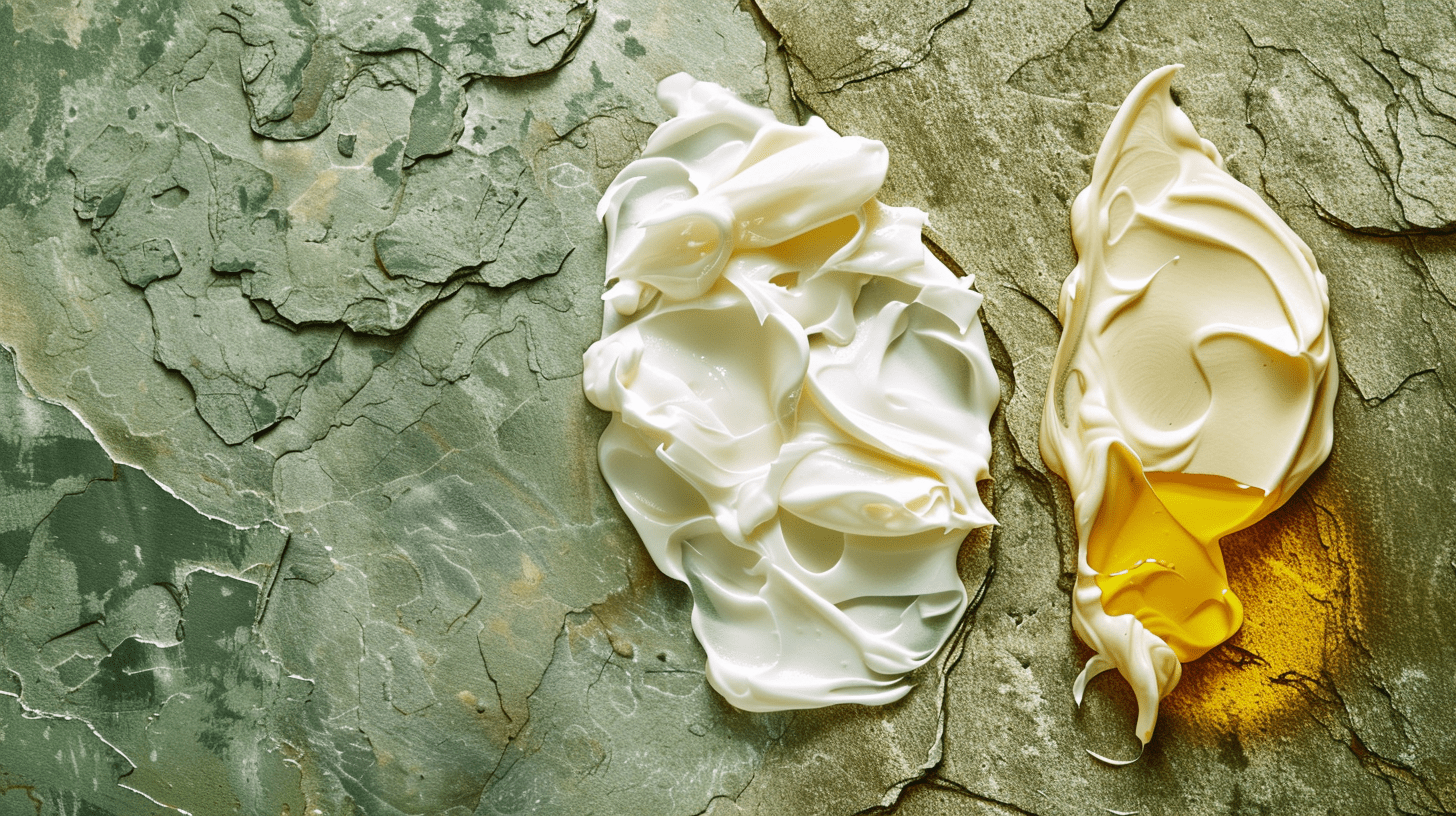
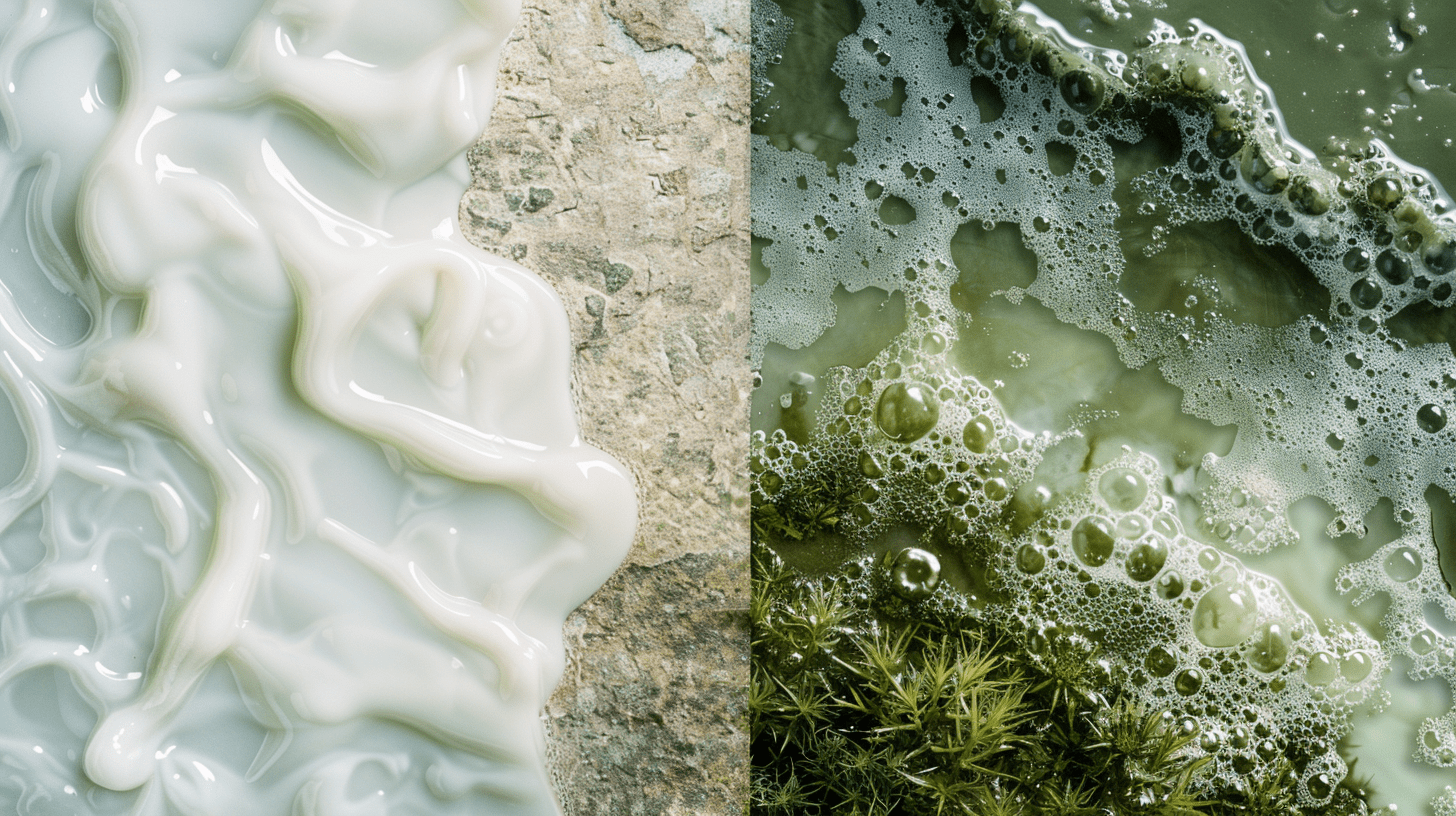
A face gel is a predominantly aqueous, fresh, translucent texture, with little to no oil. It provides water and water-soluble active ingredients, penetrates very quickly, and leaves a fresh, non-sticky finish with no perceptible film. It's the "zero material effect" texture: you forget about it once applied. Its purpose is to lightly hydrate, without weighing down or causing shine.
A face milk is a fluid emulsion: a lighter cream that contains a small fatty phase in addition to water. Richer than a gel but much lighter than a classic cream, it provides water and a discreet veil of lipids. As a result, it hydrates while providing a very subtle comfort, without the heaviness of a rich texture. It's the compromise between freshness and light nourishment.
The nuance therefore lies in the oil content: the gel is almost devoid of it, the milk contains a little. The former prioritizes pure freshness, the latter light comfort. Knowing this difference is already knowing which texture to turn to.
A sensory cue helps recognize them by touch: the gel "glides" then disappears almost instantly, leaving the skin clean; the milk "melts" and leaves a slightly silky softness, a sign of its fine fatty phase. Neither one nor the other feels tight if well chosen — this is precisely the advantage of these textures designed for lightness, whereas a cream that is too rich can, conversely, feel suffocating on skin that doesn't need it.
Comparison chart: face gel vs. milk
| Criterion | Face Gel | Face Milk |
|---|---|---|
| Texture | Aqueous, translucent, fresh | Fluid emulsion, slightly creamy |
| Oils | Almost absent | Present in small amounts |
| Sensation | Fresh, dry and light finish | Soft, discreet comfort veil |
| Benefits | Water and water-soluble active ingredients | Water and some lipids |
| Finish | Invisible, non-sticky | Silky, matte to satin |
| Best for skin types | Oily, combination, hot climates | Normal, slightly dry, sensitive |
| Ideal season | Summer, hot climates | Mid-season, slightly tight skin |
| Key advantage | Maximum lightness | Comfortable and discreet hydration |
This table summarizes the trade-off: gel focuses on absolute lightness, milk on fluid comfort. The right choice depends on your skin and the context.
Which texture for which skin type?
Here's how to guide your choice based on your profile and use cases.
Oily skin. Gel is often ideal: it hydrates without adding oil and leaves a fresh, clean finish, without accentuating shine. It's the go-to texture for skin that quickly regrets overly rich creams.
Combination skin. Gel works well all over the face, possibly reserving a touch of richer care for areas that feel tight, like the cheeks. In mid-season, a light milk can take over when the air cools down.
Normal skin. Both are suitable. Milk provides very pleasant fluid comfort daily; gel is suitable for warm periods or when lightness is desired, for example after sports.
Slightly dry or sensitive skin. Milk is often more reassuring: its veil of lipids provides comfort that gel, being purely aqueous, does not. For sensitive skin, a short, soothing formula, without strong fragrance, is preferable.
High heat, perspiration, humid climate. Regardless of skin type, gel is often essential: its freshness and absence of film are particularly welcome when the air is heavy and rich textures become uncomfortable.
Skin diagnosis · free
Curious to know what your skin really needs?
Take my 2-min diagnosis →
Is an additional step needed on top?
Both gel and milk primarily provide water. For some skin types, this is enough. But if your skin still feels tight after application, or if the air is dry, a sealing step can prolong comfort. This is where a thin layer of oil comes in, applied last, which limits the evaporation of the water provided by the gel or milk.
The order always follows the same logic: from most fluid to richest. First, apply the gel or milk to clean skin, allow it to penetrate, then gently press a few drops of oil warmed between your palms. In summer or for oily skin, this step is often reserved for the evening, or skipped if the skin is comfortable. This is the whole point of a flexible routine: you add or remove the finishing touch depending on the season and how your skin feels that day.
This layering logic also applies to makeup. A well-chosen lightweight texture serves as an ideal base: a gel leaves a clean finish on which foundation adheres minimally, while a milk provides a veil of comfort that prevents makeup from settling into dry areas. Preparing the skin with the right texture often improves makeup longevity and appearance without extra effort.
To create a light but complete routine, explore NOPAL LIFE's Creams & Face Care collection and Hydration & Comfort collection, which bring together fresh textures and their complements.
The light oil that complements without weighing down
When skin demands a touch of nourishment over its gel or milk, cold-pressed prickly pear seed oil is an ideal finish. Renowned for its surprisingly fine texture, it penetrates quickly and doesn't leave the heavy, greasy finish often feared — a valuable asset for skin that loves lightness.
Rich in antioxidant vitamin E and essential fatty acids, it seals in hydration and leaves skin visibly softer, without suffocating the skin texture. One to two drops are enough as a finish to a light routine, making it a discreet complement even for skin not accustomed to oils. To vary textures according to the seasons, the Face Oils collection offers options to adjust according to needs.
If your skin shows persistent redness, pronounced itching, or ongoing discomfort, it's no longer a matter of texture: seek advice from a healthcare professional.
Frequently Asked Questions
Q: Does gel hydrate as well as cream?
A: It provides water and water-soluble active ingredients just as effectively, but it doesn't deposit lipids. On oily skin, this is often sufficient. On dry skin, it may lack comfort, and a richer step on top becomes useful.
Q: Is face milk suitable for oily skin?
A: It can be suitable if it's very light, but many oily skin types prefer a gel, without a fatty phase. Milk is generally more for normal to slightly dry skin that desires discreet comfort.
A: Gel is often preferred in summer: its freshness and non-sticky finish are pleasant in high heat. Milk remains an option if your skin feels tight, but gel better meets the desire for summer lightness.
Q: Can I apply oil over a gel?
A: Yes, as a last step and in a small amount. The gel provides water, the oil seals it in. For oily skin or in hot weather, this step is often reserved for the evening, or even skipped if the skin is comfortable.
Q: Can milk also be used as a makeup remover?
A: Some milks are formulated for cleansing and makeup removal, others as a moisturizing treatment to be left on. Check the intended use on the product: a treatment milk is not rinsed off, a makeup remover milk is.
Q: Should I change textures according to the seasons?
A: Often, yes. Many adopt a light gel in summer and a more comfortable milk or cream in winter, when cold air dries out the skin. Adapting the texture to the season helps the skin stay comfortable all year round.
Q: How do I know which texture is right for me?
A: Observation helps, but a structured diagnosis refines the choice by evaluating your skin type and its need for water or lipids. The Skin Intelligence™ diagnosis guides you towards the most suitable texture.
RECOMMENDED CARE
Cold-pressed prickly pear seed oil · Organic
DISCOVER THIS CARE →
PERSONALIZED ROUTINE
Nopal Life Skin Intelligence™ · Free Diagnosis · 2 minutes
DISCOVER MY ROUTINE →
Choosing between gel and milk is a trade-off between pure freshness and discreet comfort. Gel focuses on maximum lightness, without oils; milk provides a slightly more enveloping veil of hydration. Depending on your skin type, the season, and your preferences, one of these textures is ideal — and a fine touch of oil can always seal it all in if needed. The right lightness, at the right time, makes all the difference for comfort and radiance.
Read more
Information provided for cosmetic and educational purposes only; it does not constitute medical advice.


Go further than this article
Get our skincare guides by email — and start with your free skin diagnostic: 2 minutes, advice tailored to your skin. We ship to the US, UK, Canada, Australia and 27 European countries; somewhere else? Sign up and you will be the first to know when we deliver to your country.
By signing up, you agree to our privacy policy. Unsubscribe in one click.