Razor burn and irritation: how to avoid them
Razor burn – that redness, stinging, and small bumps that appear right after shaving – is not inevitable. In the vast majority of cases, it results from poor preparation, a dull blade, or excessive pressure. By correcting a few simple habits, you can significantly reduce irritation and enjoy a comfortable shave again. Here are the causes of razor burn and concrete steps to prevent it.
What is razor burn?
"Razor burn" refers to all the irritation reactions that follow shaving: burning sensation, diffuse redness, stinging, sometimes small bumps. It is a mechanical irritation of the skin, caused by the friction of the blade and the removal of the superficial layer.
It should not be confused with pseudofolliculitis barbae, which is related to hairs that curl back and grow under the skin. The two can coexist, but razor burn is primarily a matter of technique and preparation.
The most common causes
Several factors promote razor burn: a dull or dirty blade that pulls at the hair, dry shaving or shaving on poorly prepared skin, too much pressure, repeated passes over the same area, or consistently shaving against the grain. Already dry or sensitive skin is also more prone to it.
Good news: these are all factors you can act upon.
Properly prepare your skin before shaving
Preparation is half the battle. Ideally, shave after a shower, or after applying warm water to your face: the heat and humidity soften the hair and pave the way for the blade. Start by cleansing the skin with a gentle product like the Aloe Vera Purifying Cleansing Gel or the Aloe Vera Gentle Cleansing Foam.
Then, use a proper shaving product (foam, gel, or cream) to create a protective glide layer. Dry shaving or using simple soap is one of the primary causes of irritation.
The right steps during shaving
A few simple rules make all the difference: use a clean, sharp blade, and change it regularly. Shave with the grain rather than against it, without pressing: let the blade do the work. Avoid going over the same spot multiple times. Rinse the blade with water between each pass to prevent it from clogging.
If you are prone to irritation, a quality electric shaver can be gentler than a manual blade, as it shaves slightly less close. Test it according to your skin.
Soothe immediately after
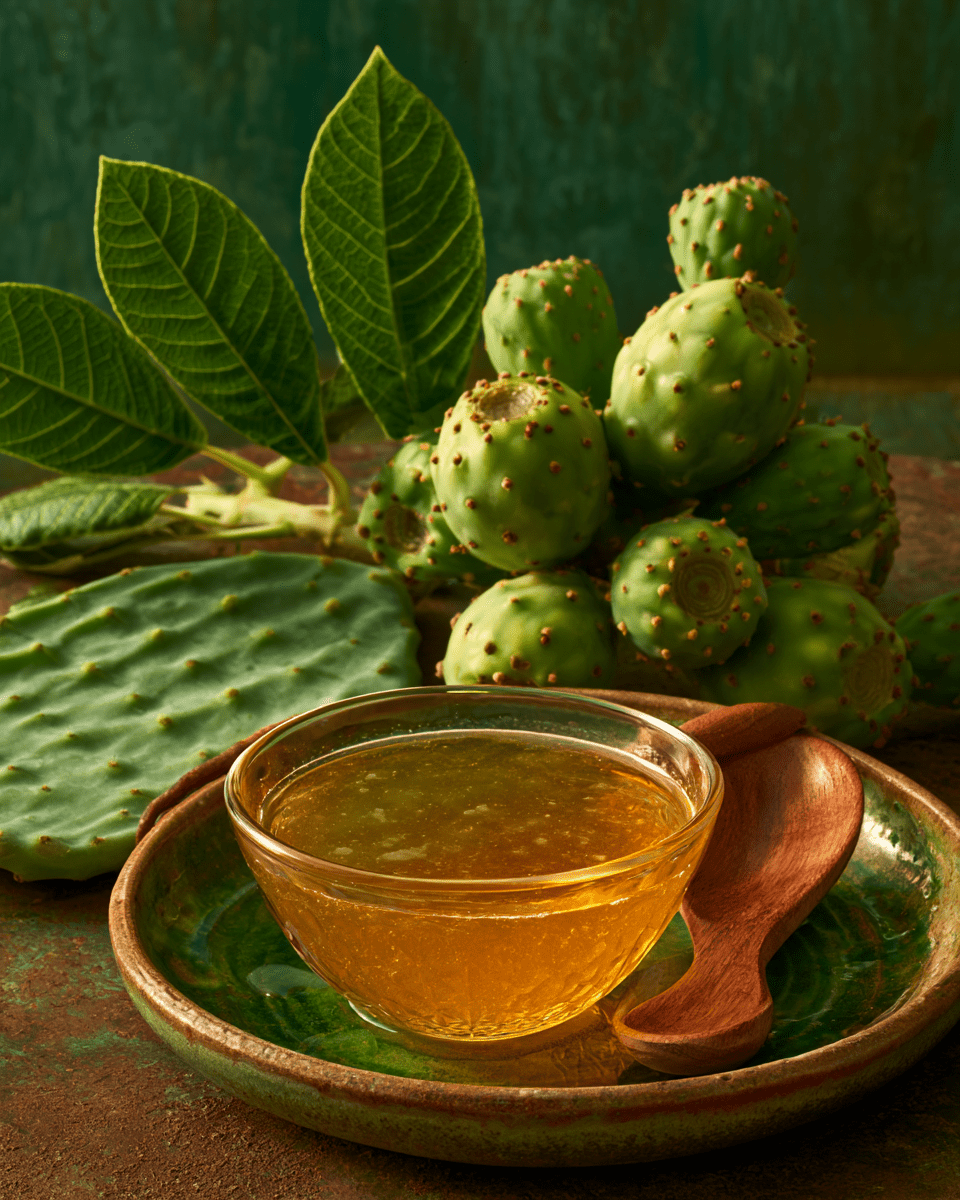
The final step is essential. Rinse with lukewarm water, pat dry without rubbing, then apply an alcohol-free soothing treatment. The Prickly Pear Seed Oil helps to calm and nourish the skin, and aloe vera provides a welcome freshness. Absolutely avoid alcoholic aftershaves, which sting and worsen irritation.
To maintain comfort over time, finish with a light moisturizer like the Light Hydrating Gel HA Matte Finish.
(Read: Aftershave care: soothe and repair skin)
When to consult a doctor
If, despite good technique, irritation persists, becomes painful, gets infected, or turns into deep, recurring bumps, it could be folliculitis or marked pseudofolliculitis. In this case, a dermatological opinion is the right approach: a professional can adapt the treatment.
FAQ
Should you shave with or against the grain?
With the grain to limit irritation. Shaving against the grain shaves closer but is more aggressive on the skin.
How often should you change your blade?
As soon as it pulls or seems less effective. A dull blade is one of the main causes of razor burn.
Does an electric shaver prevent razor burn?
It can be gentler for sensitive skin, as it shaves slightly less close. To be tested individually.
Does cold water soothe irritation?
Lukewarm water is preferable. It's better to opt for an alcohol-free soothing treatment than temperature shocks.
Can razor burn disappear completely?
With good preparation, a clean blade, and a soothing treatment, it significantly decreases. Persistent cases require dermatological advice.
In summary
Razor burn is prevented in three steps: properly prepare the skin, shave gently with a clean blade in the direction of hair growth, and then soothe with an alcohol-free treatment. If irritations persist, consult a dermatologist. To master your entire routine (Read: Men's Skincare: The Complete Guide), and for personalized advice, take the Skin Intelligence diagnostic.
Sources: Wikipedia – Pseudofolliculitis barbae, Irritant folliculitis; Dermatology of CT – Dermatologist's Guide to Healthy Shaving. Informative article, not medical advice.
Information provided for cosmetic and educational purposes; it does not constitute medical advice.
The Nopal Life signature treatment


Mature skin · Dry skin

Go further than this article
Get our skincare guides by email — and start with your free skin diagnostic: 2 minutes, advice tailored to your skin. We ship to the US, UK, Canada, Australia and 27 European countries; somewhere else? Sign up and you will be the first to know when we deliver to your country.
By signing up, you agree to our privacy policy. Unsubscribe in one click.