Dry elbows and knees: how to soften them
Elbows and knees are among the driest areas of the body: the epidermis there is thicker, produces little sebum, and is subject to constant friction. To restore softness and comfort, two actions are enough — regular gentle exfoliation and rich hydration — complemented by a few habits that help preserve the skin barrier.
These joint areas are put to the test daily. With appropriate and regular care, dry, rough, or cracked skin can easily regain its comfort. Here are the causes, the symptoms to recognize, and a complete routine designed for dry skin.
Why elbows and knees become dry
The epidermis of the elbows and knees has several particularities. Thicker than on the rest of the body, it produces little sebum, which naturally exposes it to dryness. It also needs to be able to bend and stretch constantly to accommodate joint movements.
Several causes combine:
- Low sebum production: These areas lack the oily film that helps retain moisture, leading to faster water loss.
- Repeated friction: Leaning on an elbow, kneeling, or wearing rough clothing thickens and stiffens the skin's surface.
- Dry and cold air: In winter, heating and dry air exacerbate dryness; the skin becomes rough, sometimes cracked.
- Age and sun: With age and repeated sun exposure, the protective skin barrier weakens and dries out more quickly.
When this protective barrier weakens, more water evaporates: the surface feels tight, dries out, and loses its suppleness. Understanding these causes helps in choosing the right actions rather than just piling on products.
Recognizing the signs of dry skin
On an elbow or knee, dryness manifests through easy-to-spot symptoms:
- a rough, coarse, and dull texture to the touch;
- a grayish appearance, dry and cracked skin that shows creases;
- tightness, or even slight itching;
- a less smooth appearance, which snags on clothes.
These symptoms are primarily aesthetic and comfort-related. If accompanied by noticeable redness, persistent itching, or significant irritation, they warrant the advice of a healthcare professional.
Gentle exfoliation: preparing the surface
For dry and rough skin, gentle exfoliation helps remove dead cells responsible for the rough appearance and restore a smoother surface. On a damp surface, gently massage in circular motions, focusing on each elbow and knee, then rinse with lukewarm water.
Our regenerating exfoliating prickly pear soap is suitable for this action, once or twice a week.
However, be careful: it's tempting to over-exfoliate dry areas, but this can irritate the skin and disrupt its barrier. A gentle, regular approach is better than intense scrubbing—especially on already irritated skin, which should be allowed to calm down first.
(Read also: Body Care: the guide to soft skin)
Deep hydration and nourishment
After exfoliation, it's time for hydration. A gentle routine, repeated several times a day if needed—especially in winter when dry air increases dryness—helps maintain comfort and limit water loss. Ideally, apply it to a still slightly damp surface, which retains it better.
Three families of care complement each other. The table below helps you choose according to the desired texture and time of day:
| Type of care | Texture | Ideal time | Main benefit |
|---|---|---|---|
| Vegetable oil (prickly pear seed oil) | Fluid, penetrating | Evening, as a finishing layer | Rich in fatty acids and vitamin E, intensely nourishing |
| Body moisturizing cream | Creamy | Morning and after shower | Provides daily comfort and suppleness |
| Rich balm | Thick, occlusive | Very dry areas, at night | Forms a protective film that helps retain moisture |
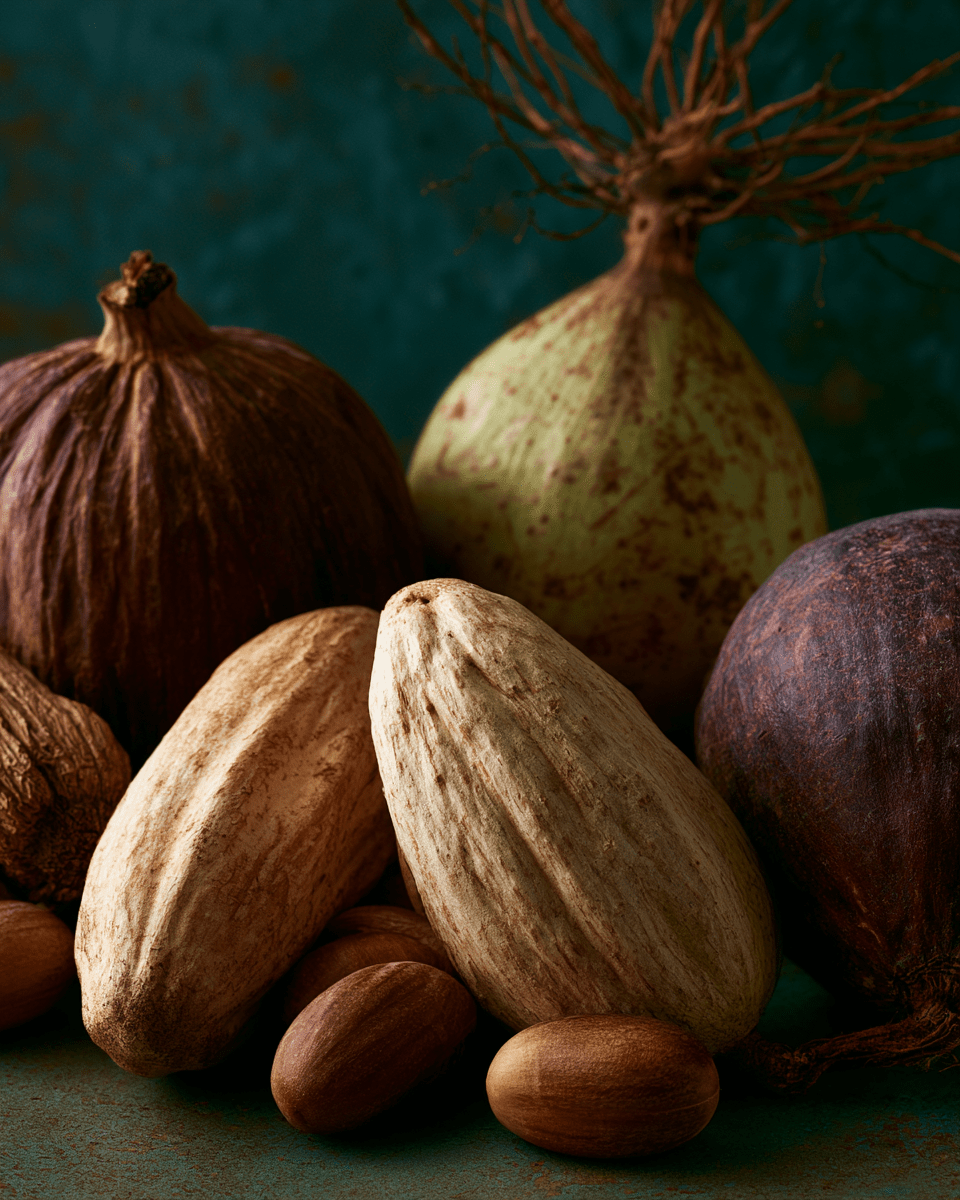
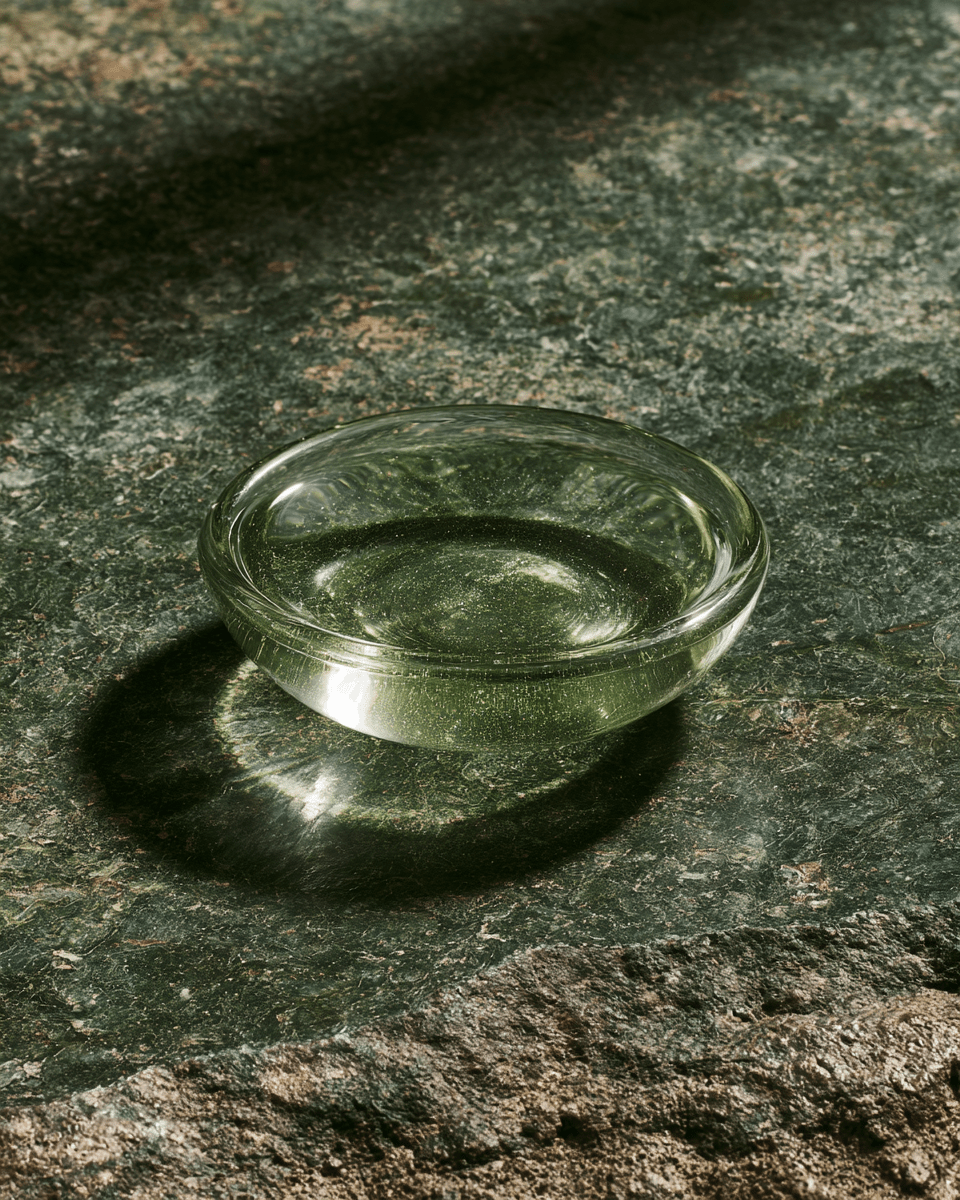
For intense nourishment, prickly pear seed oil, rich in fatty acids and vitamin E, can be applied to elbows and knees in the evening. A richer balm can be layered over it for overnight nourishment.
Which ingredients to prioritize? On labels, some active ingredients are good indicators for dry body skin:
- Glycerin: a humectant moisturizing agent that helps retain water; a product containing glycerin provides long-lasting hydration.
- Vegetable oils and butters (prickly pear, shea): nourishing, they reinforce the protective film.
- A gentle moisturizing cream or lotion: for reactive skin, prefer a fragrance-free moisturizing texture.
A simple, step-by-step routine
For softer elbows and knees, here's a protocol that's easy to maintain long-term:
- 1 to 2 times a week: gently exfoliate in the shower, on damp skin.
- Every day: after showering, apply a moisturizing body cream or lotion to still-damp skin.
- In the evening: massage a few drops of prickly pear oil onto rough areas.
- Very dry areas: seal with a rich balm, possibly containing shea, for the night.
- During the day, in summer: remember to use sun protection (SPF) on sun-exposed knees and elbows.
The key is not the quantity of products, but consistency: it's better to use one well-chosen product applied daily than a complete range used occasionally.
Protecting the skin barrier daily
A few tips limit the return of roughness and support the skin barrier:
- Hydrate after every shower, on skin that is still slightly damp.
- Avoid water that is too hot, which weakens the skin's film; also avoid overly harsh soaps.
- Limit prolonged leaning on elbows and wearing overly rough clothing.
- Reinforce care during winter, when air humidity drops.
- In summer, protect exposed areas from the sun with appropriate sunscreen.
These simple actions maintain the smooth appearance and skin comfort of the most stressed areas.
Choosing the right skincare for your skin
Every skin has its own needs. Depending on skin type, the intensity of dryness, and the season, the most useful actions and ingredients vary. Rather than multiplying products, it's better to target the one that truly fits.
The Skin Intelligence diagnosis helps you identify, within the range of care, the most suitable actions and advice.
(Read also: Dry Body Skin: how to hydrate it well)
When dryness persists
If, despite an appropriate routine, areas remain very dry, rough, cracked, or uncomfortable, the advice of a healthcare professional may be useful. The goal of cosmetic care remains to maintain comfort and appearance, without replacing medical advice.
FAQ
How often should elbows and knees be exfoliated?
Once or twice a week is usually sufficient. Beyond that, the risk of irritation increases without benefit, especially on dry areas.
Why do my elbows become rough again despite hydration?
These areas produce little sebum and are highly exposed: they require regular hydration, sometimes several times a day, especially in winter when air humidity drops.
Oil, cream, or balm for softer elbows?
Oils intensely nourish, creams hydrate daily, and balms, being richer, seal moisture in very rough areas. They can be combined: one followed by the other as a finishing layer.
Is scrubbing enough to soften knees?
No: it prepares the surface by removing dead cells, but it's hydration that maintains softness over time. The two actions are complementary.
Can irritated skin be exfoliated?
It's best to avoid it: on itchy skin, exfoliation can worsen discomfort. Wait until it has calmed down.
In summary
Dry elbows and knees respond well to a simple routine: gentle exfoliation once or twice a week, followed by rich and regular hydration with an oil, cream, or balm as needed. The key is consistency, without ever over-exfoliating, and a few daily tips to preserve skin comfort. To pinpoint suitable products, take your Skin Intelligence diagnosis.
Sources: CeraVe, NIVEA. Informative article, not medical advice.
The Nopal Life signature treatment


Mature skin · Dry skin

Go further than this article
Get our skincare guides by email — and start with your free skin diagnostic: 2 minutes, advice tailored to your skin. We ship to the US, UK, Canada, Australia and 27 European countries; somewhere else? Sign up and you will be the first to know when we deliver to your country.
By signing up, you agree to our privacy policy. Unsubscribe in one click.