Ceramide preservation: duration and signs of deterioration
Ceramides are stable; it’s the product that carries them that ages. Unlike vitamin C or retinol, these lipids do not degrade in light or air. Therefore, their preservation is entirely a matter of formulation, and the difference between a balm and a cream in a jar is considerable.
Why Ceramides Themselves Are Not a Problem
Ceramides are structural lipids naturally present in the superficial layers of the epidermis, where they form the skin barrier along with cholesterol and fatty acids.
Those used in cosmetics are obtained by synthesis or fermentation, and they are identical to those produced by the skin. Their structure does not contain fragile double bonds.
A ceramide does not go rancid, yellow, or lose its activity in six months. Formulations containing them do not require any specific conditioning for the active ingredient itself.
On the label, they appear as ceramide NP, ceramide AP, ceramide EOP. The number and letters denote the structure, not the quality.
Ceramides are stable lipids, not very sensitive to light and heat. They make up nearly half of the intercellular cement of the stratum corneum, and this stability is precisely what allows them to play this role.
What ages in a bottle is everything else: the aqueous phase, associated fats, sometimes the fragrance. Ceramides, however, remain active long after the texture has ceased to be pleasant — the effect obtained does not diminish with the age of the product.
A Cream in a Jar: Six Months
This is the most fragile packaging, and the most common for rich skincare. Each time you dip your fingers in, microorganisms are introduced into a water-containing formula.
Six months after opening is a reasonable guideline, and the open jar symbol on the packaging gives the exact value. Use a spatula if you want to maintain the announced duration.
However, these creams are best suited for dry skin because a rich texture is difficult to formulate in a bottle. This is a compromise to be aware of.
The jar exposes the formula to air and fingers with each use. Six months is a reasonable limit, less due to active ingredient degradation than to progressive contamination of the contents.
A spatula significantly changes things and helps maintain the announced duration. It is the simplest way to ensure that the proper functioning of the formula does not depend on hand cleanliness.
A Serum or Cream in a Pump Bottle: Twelve Months
The product never comes into contact with air or fingers. This is the best packaging available, and it doubles the shelf life for an equivalent formula.
Ceramide serums are generally lighter and suitable for combination skin. Their hydration is less than a cream, at comparable active ingredient concentrations.
An airless bottle goes even further: the pump prevents air from entering as the product is dispensed.
An Anhydrous Balm: Two Years
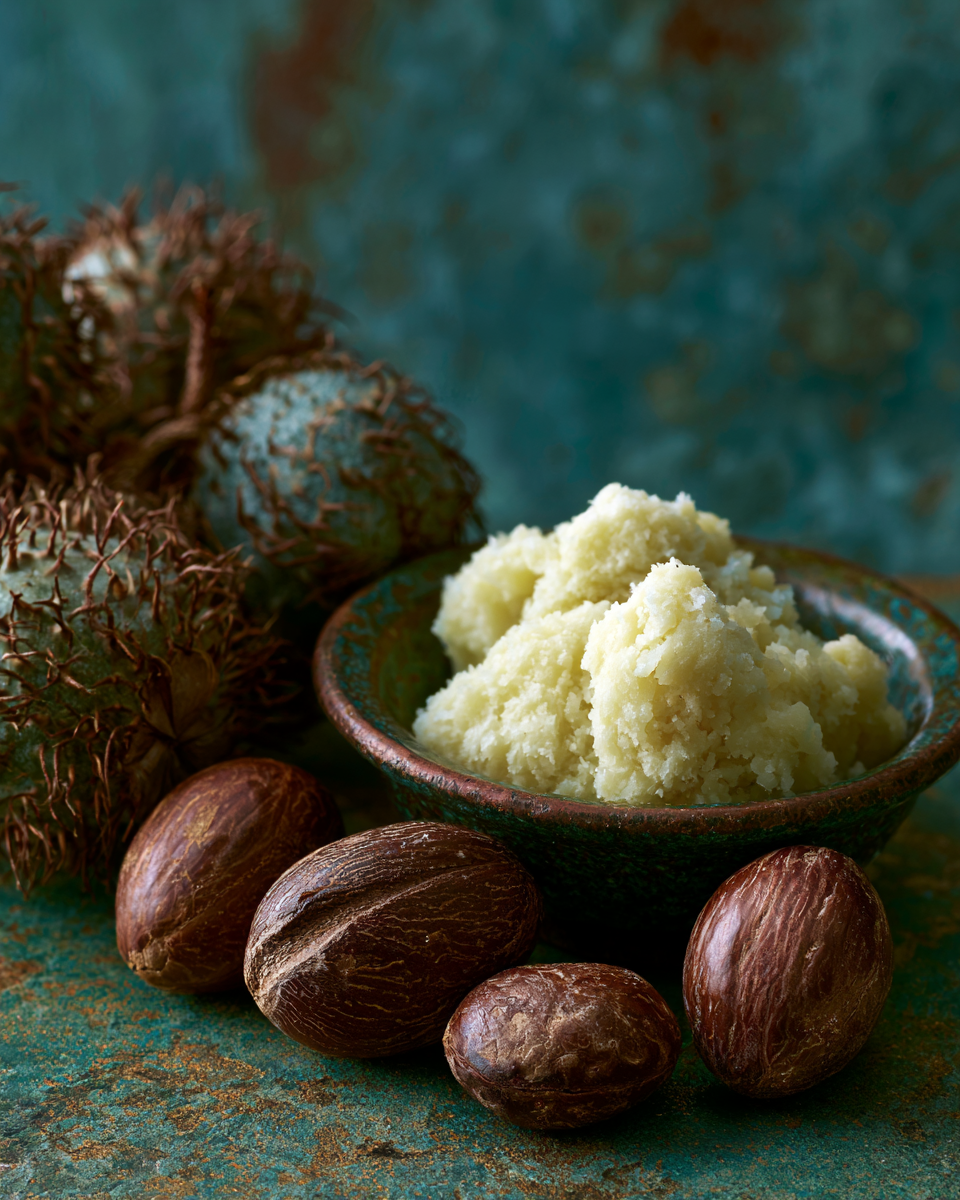
Without water, there is no microbial growth. A ceramide balm formulated on a fatty base will keep as long as its oils.
This is the most durable and least practical packaging: thick texture, difficult application on damp skin, greasy feel.
Its duration depends entirely on the oils used. A squalane base lasts two years, a rosehip base six months.
Without water, no microbial development: this is what gives balms their longevity. Ceramides are in their ideal environment, surrounded by fatty substances that stabilize them even further.
Two years is a conservative estimate, and many last longer. The only sign to watch for is the rancidity of associated oils, perceptible by smell long before any other effect.
Signs That It's Time to Discard
Phase separation in a cream or serum. The emulsion has broken down, and with it, the preservation system.
A change in color or odor. Ceramides are odorless; any odor comes from another component that has aged.
Mold spots on a cream in a jar. This is the classic scenario of scooping with wet fingers.
A texture that becomes grainy or sticky. The formulation has degraded, even if the ceramides are intact.
A turned odor, a separating texture, a darkening color: three signals that are better than the date printed on the tube.
The rule also applies to unopened products stored too hot. Ceramides survive, but the medium that distributes them is irrecoverable.
Where to Store Them
A cool, dry place, away from direct sunlight. These are ordinary conditions, with no additional requirements related to ceramides.
The bathroom is still not recommended for the usual reasons: temperature variations and humidity fatigue preservatives.
The refrigerator does not benefit a commercial product and hardens rich textures. Reserve it for preservative-free preparations.
A closed cabinet, at a stable temperature, away from the window and radiator. The bathroom is suitable if it does not suffer from shower steam — it's humidity, not heat, that poses the real problem for aqueous formulas.
The refrigerator does not benefit ceramides themselves. However, it extends the shelf life of the emulsion that carries them, which amounts to the same thing for the user.
What Preservation Doesn't Change
A well-preserved ceramide cream remains a structural treatment. It improves hydration and comfort by supporting the skin barrier, over several weeks of use.
Its concentration matters more than its freshness. Ceramides listed after preservatives in the ingredient list are present at a dose that will not change anything, whether the product is one month or one year old.
Apply to damp skin, morning or evening depending on the texture, and note the opening date on the container. This is the most useful tip on this page.
An expired cream does not become harmful, it becomes ineffective: the aqueous phase degrades and the texture separates before the ceramides have moved. It's the emulsion that gives way, not the active ingredient.
What truly changes with the age of the product is the comfort of application. Ceramides continue to play their role in the intercellular cement, but an altered medium distributes them poorly — and the effect obtained suffers, without anything becoming dangerous.
The Container Determines the Duration
Six months for a jar, twelve for a pump bottle, two years for a water-free balm: it's not the lipid that ages, it's what surrounds it. This guideline applies to a ceramide night cream as it does to any emulsion — it's the opening date that matters, never the purchase date.
The "Properly Storing Your Skincare" Series
Each ingredient degrades in its own way. These guides provide the real duration and the sign that reveals its alteration.
- Panthenol Preservation: Duration and Signs of Alteration
- Retinol Preservation: Duration and Signs of Oxidation
- Jojoba Oil Preservation: Duration and Signs of Oxidation
- Salicylic Acid Preservation: Duration and Signs of Oxidation
- AHA Preservation: Duration and Signs of Oxidation
- Prickly Pear Seed Oil Preservation: 24 Months Without Weakening


Go further than this article
Get our skincare guides by email — and start with your free skin diagnostic: 2 minutes, advice tailored to your skin. We ship to the US, UK, Canada, Australia and 27 European countries; somewhere else? Sign up and you will be the first to know when we deliver to your country.
By signing up, you agree to our privacy policy. Unsubscribe in one click.