Chamomile alpha-bisabolol: soothing, radiance, and comfort for mature dry skin
Chamomile in cosmetics: a botanical flower with multiple benefits
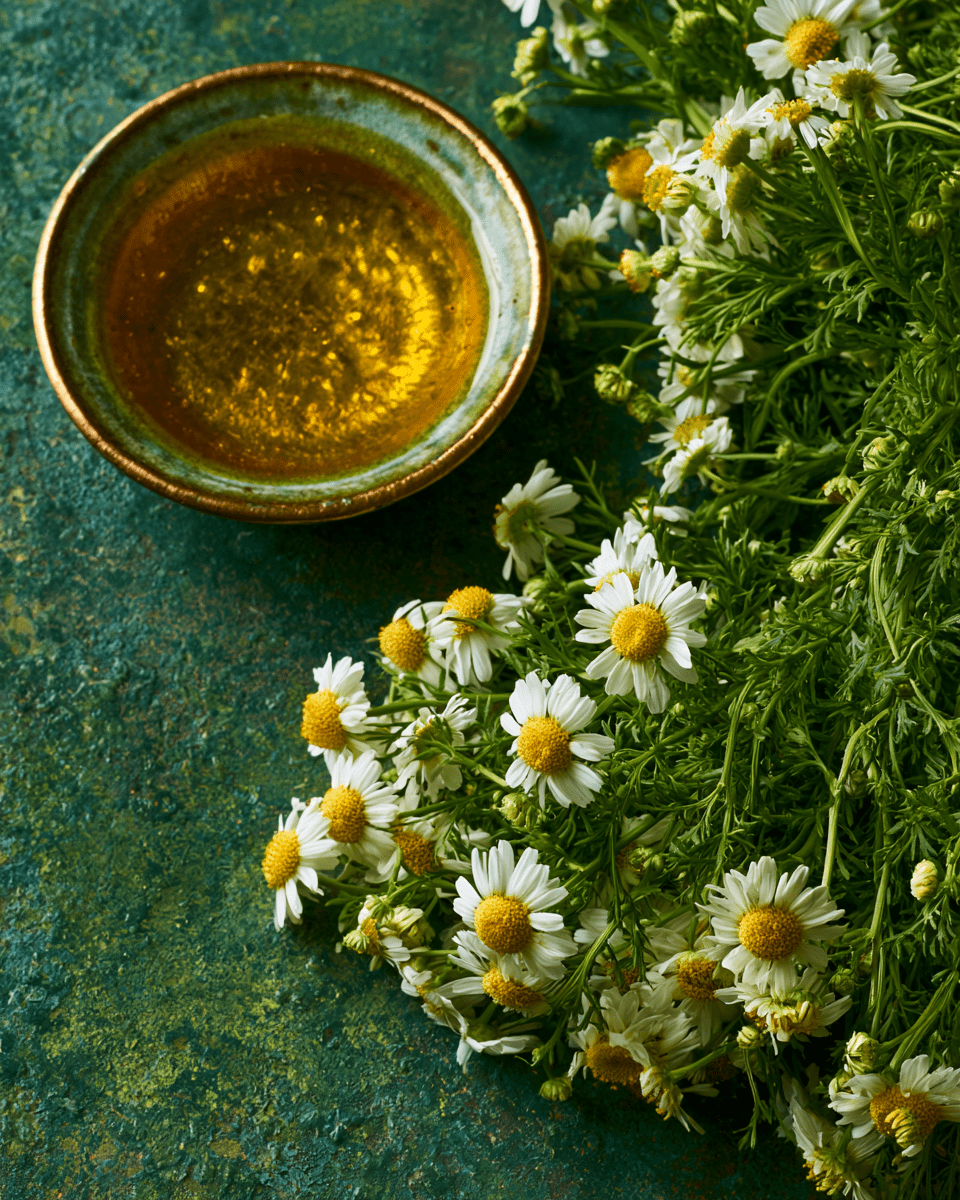
Chamomile is one of the oldest and most appreciated botanical plants in the world. Used since ancient Egypt for its soothing reputation, it remains a key ingredient in cosmetics today. Two species dominate skincare: Matricaria chamomilla (German chamomile) and Anthemis nobilis (Roman chamomile), each with a distinct yet complementary plant profile.
What sets chamomile apart from many other plant extracts is the richness and specificity of its plant components: alpha-bisabolol, apigenin, and chamazulene form a trio of molecules long associated with skin comfort. For dry, mature, or easily uncomfortable skin, understanding these components helps to better integrate this ingredient into a truly pleasant dry and mature skin routine.
Alpha-bisabolol, apigenin, chamazulene: the three pillars of chamomile
Alpha-bisabolol is the main sesquiterpene alcohol in Matricaria chamomilla essential oil. It is a highly valued component for the comfort of reactive skin. Specifically, on the skin, a soothed appearance, reduced sensations of discomfort, and significantly improved comfort are often observed from the first applications.
Apigenin, a flavonoid present in high concentration in both chamomile species, is among the most studied plant components. This polyphenol is traditionally associated with skin comfort, which explains chamomile's reputation on skin easily prone to visible redness, especially during climatic variations.
Chamazulene, recognizable by its intense blue color, is not present in the fresh plant: it forms during the steam distillation of the essential oil, through the transformation of matricine. It is a component with antioxidant properties, valued for helping to preserve skin radiance against external aggressions. Its almost exclusive presence in Matricaria chamomilla (hence the blue tint of its essential oil) makes it a marker of quality for high-end cosmetic formulations.
Chamomile and skin comfort: visible benefits
The appearance of the skin changes with daily aggressions. When the skin is stressed—by cold, sun, an irritant, or simply time weakening the skin barrier—it can show visible signs of discomfort: apparent redness, sensation of heat, and tightness.
Chamomile's apigenin and chamazulene are components traditionally renowned for supporting skin comfort. For skin seeking radiance and comfort, this perceived action is often more lasting than the most superficial soothing solutions.
It is important to note that chamomile is known for its gentleness: it is suitable for daily use, including on the most reactive skin, without particular discomfort. It can therefore be used regularly with complete peace of mind.
Chamomile + vitamin C synergy: radiance, uniformity, and comfort combined
The combination of chamomile with vitamin C represents one of the most intelligent synergies in current natural cosmetics. These two active ingredients are valued for complementary benefits on appearance: chamomile is renowned for the comfort and soothed appearance of the skin barrier, while vitamin C (ascorbic acid or its stable derivatives) helps unify the complexion's appearance, supports the skin's firm and plump appearance, and helps preserve radiance against external aggressions.
Specifically, on dry mature skin, this duality produces visible results on several fronts simultaneously:
- Complexion uniformity: vitamin C helps to reduce the visible appearance of spots and color irregularities, while chamomile helps to soothe the appearance of redness and small colored areas — net result: a homogeneous and luminous complexion with remarkable uniformity
- Barrier comfort: alpha-bisabolol helps preserve skin comfort, which limits the sensation of discomfort and tightness on dry skin
- Cross-antioxidation: vitamin C and chamazulene complement each other to help preserve skin radiance against external aggressions
The Nopal Life Vitamin C Radiance & Spot Serum was formulated precisely with this synergy logic in mind. Prickly pear seed oil (Opuntia ficus-indica seed oil), rich in linoleic acid and natural vitamin E, completes this picture by providing lipid nutrition that enhances the benefits of chamomile and vitamin C. Find the entire collection in the soothing and barrier-repairing range.
How to integrate chamomile into your dry mature skin routine
The result of chamomile in skincare depends as much on the formulation as on the application protocol. Here's how to get the most out of this ingredient in a daily routine focused on visible results:
Morning — radiance and protection protocol:
- Gentle cleansing (pH 5.5 max): do not excessively strip the skin, which would amplify underlying discomfort
- Toner or chamomile floral water: sprayed on still slightly damp skin, it prepares the ground and optimizes the contact of subsequent active ingredients
- Vitamin C + chamomile serum: apply to clean skin, gently pat with fingertips rather than rubbing — patting promotes even application without mechanically stressing the skin
- Barrier moisturizing cream rich in ceramides and essential fatty acids
- SPF 30 minimum: vitamin C oxidizes quickly without sun protection, which reduces some of its benefits on complexion radiance
Evening — comfort protocol:
- Double cleansing: cleansing oil followed by a gentle gel/foam
- Chamomile-concentrated serum or oil: night is an ideal time to enjoy a soothed appearance, as the skin is at rest
- Prickly pear seed oil (a few drops, pure or diluted): seals in active ingredients and deeply nourishes, taking advantage of the skin's nocturnal rest period
Not sure which routine is best suited for your skin profile? The Nopal Life Skin Intelligence™ tool analyzes your skin and guides you to the most suitable combination of skincare products. Chamomile is included in several routines in the range, depending on your profile.
Mistakes to avoid with chamomile in skincare
Despite its reputation as a universally well-tolerated ingredient, chamomile can be misused. Here are the main mistakes to avoid:
1. Confusing all chamomiles. Matricaria chamomilla essential oil (blue, rich in chamazulene) does not have the same profile as Anthemis nobilis (colorless to pale yellow). In cosmetics, Matricaria dry extract or hydrosol is generally preferred for skin prone to visible redness; Anthemis is better suited for sensitive skin without significant redness.
2. Using undiluted pure essential oils. Chamomile essential oil is concentrated in alpha-bisabolol and compounds potentially irritating at high doses (ethers, lactones). It should always be diluted in a vegetable oil to a maximum of 1-2% before skin application. Hydrosol or aqueous extract is much safer for daily use.
3. Neglecting allergy to the Asteraceae family. Chamomile belongs to the Compositae/Asteraceae family. People allergic to ragweed, chrysanthemum, or arnica should perform a prior patch test on the crook of the elbow before incorporating a chamomile-based product into their routine.
4. Expecting immediate results on deep wrinkles. Chamomile is valued for comfort and radiance, not for a remodeling effect in the strict sense. It improves visible radiance, homogeneity, and comfort, but does not have the same purpose as retinol or peptides on the appearance of wrinkles. For deep wrinkles, it is a valuable complement to these active ingredients, not a substitute.
5. Storing in a transparent container exposed to light. Chamazulene and apigenin are sensitive to light. An opaque or amber bottle, stored away from heat, is essential to preserve the quality of chamomile-based formulations.
6. Stopping treatment as soon as visible improvement occurs. The benefits of chamomile on dry mature skin are cumulative. Regular use over 4 to 8 weeks allows for long-lasting results on the comfort and appearance of the skin barrier.
FAQ — Chamomile skincare: your questions, our expert answers
Is chamomile suitable for oily skin?
Yes. Alpha-bisabolol and apigenin are valued for the comfort of skin prone to imperfections and shine. Chamomile hydrosol is particularly suitable: it helps to mattify the appearance of shiny areas without occlusion or greasy sensation. However, avoid concentrated oily formulations on oily-prone areas.
Can chamomile be used during pregnancy?
Chamomile hydrosol and aqueous or glycerinated extracts are generally considered safe for topical application. However, pure essential oil is not recommended during the first three months, as a precautionary principle. Always consult your doctor or midwife before introducing a new active ingredient during pregnancy.
How long does it take to see the effects of chamomile on redness?
For reactive redness (cold snap, occasional discomfort), the soothed appearance is often noticeable within 15 to 30 minutes. For more established visible redness, allow 3 to 6 weeks of regular daily use.
Is apigenin also beneficial for mature skin?
Yes. In addition to the sensation of comfort it provides, apigenin is an antioxidant component valued for helping to preserve the skin's visible radiance and firmness. It is a particularly interesting active ingredient to support the appearance of mature skin.
Can chamomile replace a visible radiance and firmness treatment?
Not on its own, but as part of a multi-active routine, it plays a valuable role: it helps to give the skin a comfortable and soothed appearance, appreciable conditions for enhancing other active ingredients (vitamin C, retinol, hyaluronic acid). Comfortable and well-maintained skin generally gets the most out of a visible radiance and firmness routine.
How to differentiate a good chamomile extract in a cosmetic formula?
Look on the INCI for: Matricaria Recutita (Chamomile) Flower Extract, Chamomilla Recutita Flower Water (hydrosol), or Bisabolol (synthetic or natural alpha-bisabolol). The presence of pure bisabolol is a good indicator of quality. Beware of formulas that simply mention "chamomile fragrance" — it may be an olfactory note without any real active component.
Is chamomile compatible with retinol?
Very compatible, and even recommended. Chamomile helps the skin better tolerate retinol (known for its irritating potential in the first weeks of use). Apply the chamomile active ingredient as the first layer, let it absorb for 2 to 3 minutes, then apply the retinol: this "sandwich" technique helps reduce discomfort without diminishing the benefits of retinol.
What is the difference between chamomile hydrosol and extract?
Hydrosol (or floral water) is obtained by steam distillation: it contains water-soluble molecules and a fraction of volatile compounds. It is gentle, suitable for very reactive skin. Dry or CO2 extract is more concentrated in alpha-bisabolol and apigenin, making it more valued for targeting skin prone to visible redness. Both forms are compatible in a routine, hydrosol as a toner and extract integrated into a serum or cream.
Ready to incorporate chamomile into your routine?
Discover the synergy of chamomile + vitamin C + prickly pear seed oil in our serum formulated for dry and mature skin.
Conclusion
Rich in alpha-bisabolol, chamomile soothes and comforts the appearance of dry and mature skin. Gentle, it helps to reduce sensations of discomfort and revive radiance. Its tolerance is suitable for sensitive skin. Integrated into a routine, chamomile brings serenity, comfort, and a more soothed complexion.
Why choose Nopal Life for visible radiance and firmness
Caring for the appearance of mature skin involves carefully selected active ingredients and a regular routine. Nopal Life prickly pear seed oil, rich in essential omega-6 and omega-9 fatty acids, vitamin E, and plant sterols, is valued for the suppleness and comfort of the skin's film. It helps to preserve the firm and plump appearance of the skin, reduce the appearance of dehydration fine lines, and support the comfort of the epidermal barrier for a visible smoothing effect from the first weeks.
Combine it with our radiance and firmness night cream and our vitamin C serum for a complete synergy, night and day. Your skin regains a firm appearance, radiance, and lasting comfort. Discover the Nopal Life formulation designed for your skin profile thanks to our free Skin Intelligence diagnostic.
PERSONALIZED ROUTINE
Nopal Life Skin Intelligence™
Free diagnostic · 2 minutes
DISCOVER MY ROUTINE →This content is informative and educational; it does not replace medical advice, diagnosis, or dermatological consultation. In case of doubt or persistent skin problems, consult a qualified healthcare professional.


Go further than this article
Get our skincare guides by email — and start with your free skin diagnostic: 2 minutes, advice tailored to your skin. We ship to the US, UK, Canada, Australia and 27 European countries; somewhere else? Sign up and you will be the first to know when we deliver to your country.
By signing up, you agree to our privacy policy. Unsubscribe in one click.