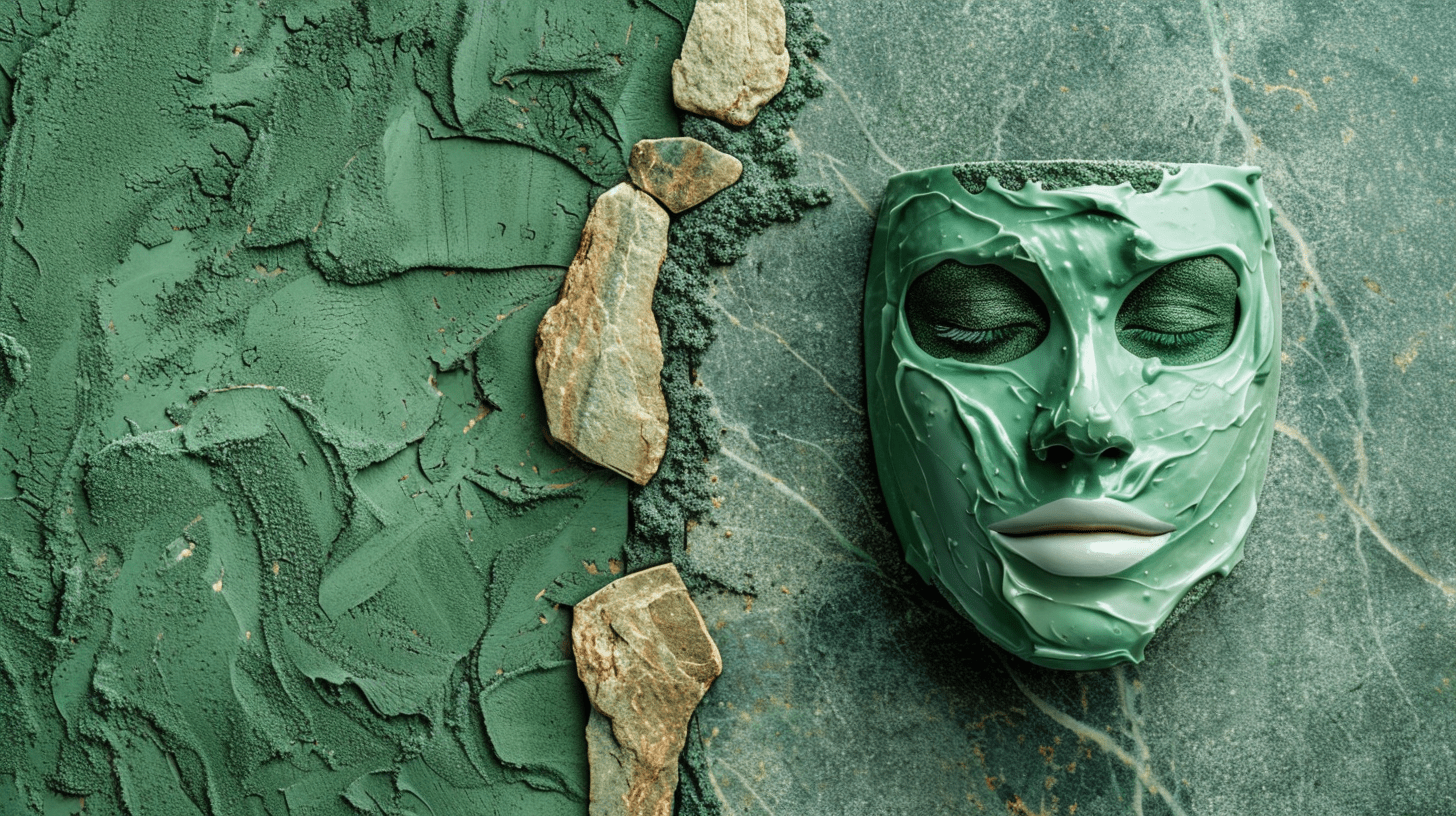
Radiance or hydrating face serum: choose
The beauty of a well-groomed routine often comes in a bottle: serum, a concentrate of active ingredients that works deep within the skin. But between a hydrating serum and a radiance serum, how do you decide which one deserves a place in your ritual? Through this Beauty Lab guide, NOPAL LIFE offers you a simple selection method, based on your actual needs and the season—with the precision and touch of botanical nourishment that are dear to us.
Hydrating serum and radiance serum: two distinct purposes
Before choosing, it's important to understand that these two formulations do not aim for the same result. They are two different tools, designed for two specific objectives.
A hydrating serum focuses on water. Its mission is to deliver and retain hydration in the superficial layers of the skin, thanks to humectant agents like hyaluronic acid or glycerin. Its texture is often fluid, fresh, almost watery. Its promise: comfort, suppleness, a plump appearance, and the visible attenuation of fine dehydration lines.
A radiance serum, on the other hand, aims to brighten the complexion. It brings together active ingredients known for reviving luminosity and helping to unify skin tone, such as vitamin C or certain antioxidant botanical extracts. Its promise: a fresher, brighter, more awakened complexion, and a more even appearance.
In summary: a hydrating serum quenches and plumps, while a radiance serum brightens and unifies. One addresses a lack of water, the other a lack of light. This distinction guides the choice, far more than current trends or the name on the bottle.
The selection method: starting with your needs
Rather than following a trend, the right approach is to identify what your skin needs most today. Here's how to decide.
Your skin feels tight, lacks suppleness, and shows fine lines. These are signs of a need for water: a hydrating serum is a priority. It provides the missing comfort and helps to reduce the appearance of dehydration lines.
Your complexion appears dull, tired, uneven, with no particular discomfort. This is a need for light: a radiance serum better meets this expectation by reviving luminosity and helping to unify the appearance of the complexion.
You can't decide. Ask yourself a simple question: Is my skin primarily thirsty, or primarily in need of light? The sensation (discomfort, tightness) points towards hydration; the visual (dull complexion) points towards radiance. If both coexist, the section on combining will clarify things for you.
To explore both families, the Face Serums collection offers concentrates designed for every need, while the Hydration & Comfort collection gathers water- and suppleness-oriented skincare.
Skin diagnosis · free
Curious to know which serum truly meets your needs?
Take my 2-minute diagnosis →
Skin type is less of a factor than the current need. Combination skin that feels tight in winter calls for a hydrating serum; the same skin in summer, when the complexion looks dull, calls for a radiance serum.
In terms of anti-aging, the question is posed differently: dehydration wrinkles disappear with added water, but others do not. A light texture is suitable in both cases, and it is often the only criterion that truly matters for combination skin.
Choosing by season and time
Beyond fundamental needs, the season often tips the balance. Skin doesn't have the same needs in January as in July.
In winter. Cold, wind, and heating dry out the skin's surface. A hydrating serum often becomes a priority to maintain comfort and limit tightness. This is the season when water is most lacking.
In spring and autumn. These are ideal transitional seasons for a radiance serum: skin, sometimes affected by winter or summer, benefits from regaining luminosity. It's also a good time to awaken a dull complexion.
In summer. Skin can appear both more hydrated by the environment and more affected by external aggressions. Many appreciate an antioxidant radiance serum in the morning and a light hydrating serum for comfort.
Depending on the time of day. In the morning, a radiance serum prepares a luminous complexion under makeup. In the evening, a hydrating serum supports the nocturnal comfort phase. The Radiance & Even Skin Tone collection gathers skincare designed for complexion luminosity.
The idea is not to fix your choice, but to adjust it throughout the year. A living routine follows the changing needs of the skin, which evolve as much as the climate and lifestyle.
Winter tends to call for hydration, summer for radiance—but this is a rough rule. Skin that spends all year in an air-conditioned office follows its own seasons, and it's better to observe your skin than the calendar.
Morning is suitable for a radiance serum, under sunscreen; evening for a hydrating serum, which works while water loss is at its maximum.
Can you combine both serums?
Good news: hydrating serum and radiance serum are not mutually exclusive. When properly combined, they can address a dual need—thirst and radiance—without overloading the skin.
The application logic is based on texture: from thinnest to richest. Generally, you apply the radiance serum first, often more watery and concentrated, to clean skin, then the hydrating serum for comfort, before sealing with a cream or oil. This order allows each serum to play its role without one preventing the other from penetrating.
Here are some guidelines for combining without a hitch:
Introduce gradually. If you're new to serums, add them one by one to observe how your skin reacts, rather than all at once.
Alternate rather than layer, if needed. Another approach is to use the radiance serum in the morning and the hydrating serum in the evening. This is often simpler and just as effective.
Always seal in comfort. After serums, a plant oil extends and locks in hydration. Cold-pressed prickly pear seed oil, rich in vitamin E and essential fatty acids, leaves skin visibly softer, more supple, and more luminous.
Listen to your skin. If it shows signs of discomfort, lighten your routine and go back to one serum at a time.
Combining is never mandatory: a well-chosen serum is better than two poorly matched serums, and a simple, consistent routine yields more results than a complicated layering.
Yes, provided they are separated in time rather than layered. Two aqueous layers applied consecutively do not penetrate better: the second slides over the first.
The simplest solution remains one serum in the morning, the other in the evening. For combination skin, this also allows for zone-specific modulation without multiplying bottles, and the effect obtained on dehydration wrinkles is then judged after four weeks.
Finding the right serum for your skin
Hydrating serum or radiance serum? The selection method comes down to a compass: start with the need (thirst or light), adjust according to the season, and combine only if your skin demands it. If you're still hesitating, a structured diagnosis will clear up any doubts.
The Nopal Life Skin Intelligence™ asks you a few targeted questions in two minutes and guides you towards the serum(s) truly suited to your skin and your current needs. This is the ideal step if you're unsure between several textures. You can then delve deeper into each need in the Skin Guide.
Frequently Asked Questions
Q: What's the difference between a hydrating serum and a radiance serum?
A: A hydrating serum delivers and retains water in the skin for more comfort, suppleness, and a plump appearance. A radiance serum uses antioxidant active ingredients that revive luminosity and help unify the appearance of the complexion. One addresses a lack of water, the other a lack of light.
Q: How do I know which one to choose?
A: Start with your needs. If your skin feels tight, lacks suppleness, or shows fine lines, choose a hydrating serum. If your complexion appears dull or tired without particular discomfort, choose a radiance serum. If in doubt, ask yourself if your skin is primarily thirsty or primarily in need of light.
Q: Can both serums be applied together?
A: Yes. Generally, the thinnest serum is applied first, often the radiance serum, then the hydrating serum, before sealing with a cream or oil. For simplicity, you can also use the radiance serum in the morning and the hydrating serum in the evening.
Q: Which serum should I prioritize in winter?
A: In winter, a hydrating serum is often a priority, as cold and heating dry out the skin's surface and increase tightness. A radiance serum is still possible, ideally in the morning.
Q: Is a radiance serum suitable for all skin types?
A: Most skin types can benefit from it, provided an adapted formula is chosen and introduced gradually. Sensitive skin benefits from starting with small amounts to observe its reaction.
Q: In what order should I apply serum in my routine?
A: Serum is applied after cleansing and any toner, on clean skin, before cream and oil. The general rule is to go from thinnest to richest.
Q: My complexion remains dull despite using a radiance serum, what should I do?
A: First, check your skin's hydration and comfort, as a dull complexion can also indicate a lack of water or gentle care. If the appearance of your complexion is a persistent concern, seek advice from a healthcare professional.
RECOMMENDED CARE
Cold-pressed organic prickly pear seed oil
DISCOVER THIS PRODUCT →
PERSONALIZED ROUTINE
Nopal Life Skin Intelligence™ · Free diagnosis · 2 minutes
DISCOVER MY ROUTINE →
Hydrating serum or radiance serum? The selection method comes down to one question: what does my skin need most, water or light? By starting with this need, adjusting according to the season, and combining with discernment, you offer your skin the concentrate that truly suits it. And to stop blindly guessing, the Skin Intelligence™ diagnosis transforms hesitation into a tailor-made routine.
Read more
Information provided for cosmetic and educational purposes; it does not constitute medical advice.


Go further than this article
Get our skincare guides by email — and start with your free skin diagnostic: 2 minutes, advice tailored to your skin. We ship to the US, UK, Canada, Australia and 27 European countries; somewhere else? Sign up and you will be the first to know when we deliver to your country.
By signing up, you agree to our privacy policy. Unsubscribe in one click.