Seasonal routine: radiance and comfort for dry and mature skin
As the years go by, skin changes—and so do its needs. This guide provides clear benchmarks and practical steps to support it, in the NOPAL LIFE spirit: natural, precise, without exaggerated promises.
Why Mature Dry Skin Reacts Differently to Seasons
Mature dry skin is one of the most sensitive to seasonal changes, as its comfort indicators are doubly affected: by underlying dryness (a feeling of lack of lipids) and by the skin's maturity, which makes its balance more delicate to maintain. In summer, UV rays, heat, and perspiration can impair surface comfort and the skin's supple appearance. In winter, outdoor cold and indoor heating dry out the ambient air, which accentuates feelings of tightness and surface moisture loss. Autumn-spring transitions are often the most delicate: rapid temperature and humidity variations leave little time for the skin to regain its comfort. With age, mature skin has a more limited reserve of flexibility to cope with seasonal aggressions: adapting its routine is therefore not optional but genuinely useful for preserving comfort and radiant appearance throughout the year.
Spring: Supporting the Skin's Natural Renewal After Winter
Spring is the season of transition and renewal for the skin. After the winter months, when the skin has thickened more on the surface to protect itself from the cold, the superficial layer often appears dull and has an irregular texture. The spring priority is to gradually lighten winter textures, introduce gentle exfoliation, and support the skin's natural renewal. For mature dry skin, enzymatic exfoliation (papaya, pineapple) or low-concentration AHAs (mandelic acid 5-10%, lactic acid 5%) are preferable to mechanical exfoliants, which can be more irritating. Increasing sun exposure prompts the introduction or strengthening of daily SPF from March (SPF 50+ recommended for mature skin). This is also the season to gradually reintroduce brightening active ingredients—peptides, niacinamide, stabilized vitamin C serum (ascorbyl glucoside)—to skin that has reconnected with its comfort after intensive winter care.
Summer: Sun Protection, Antioxidants, and Light Hydration
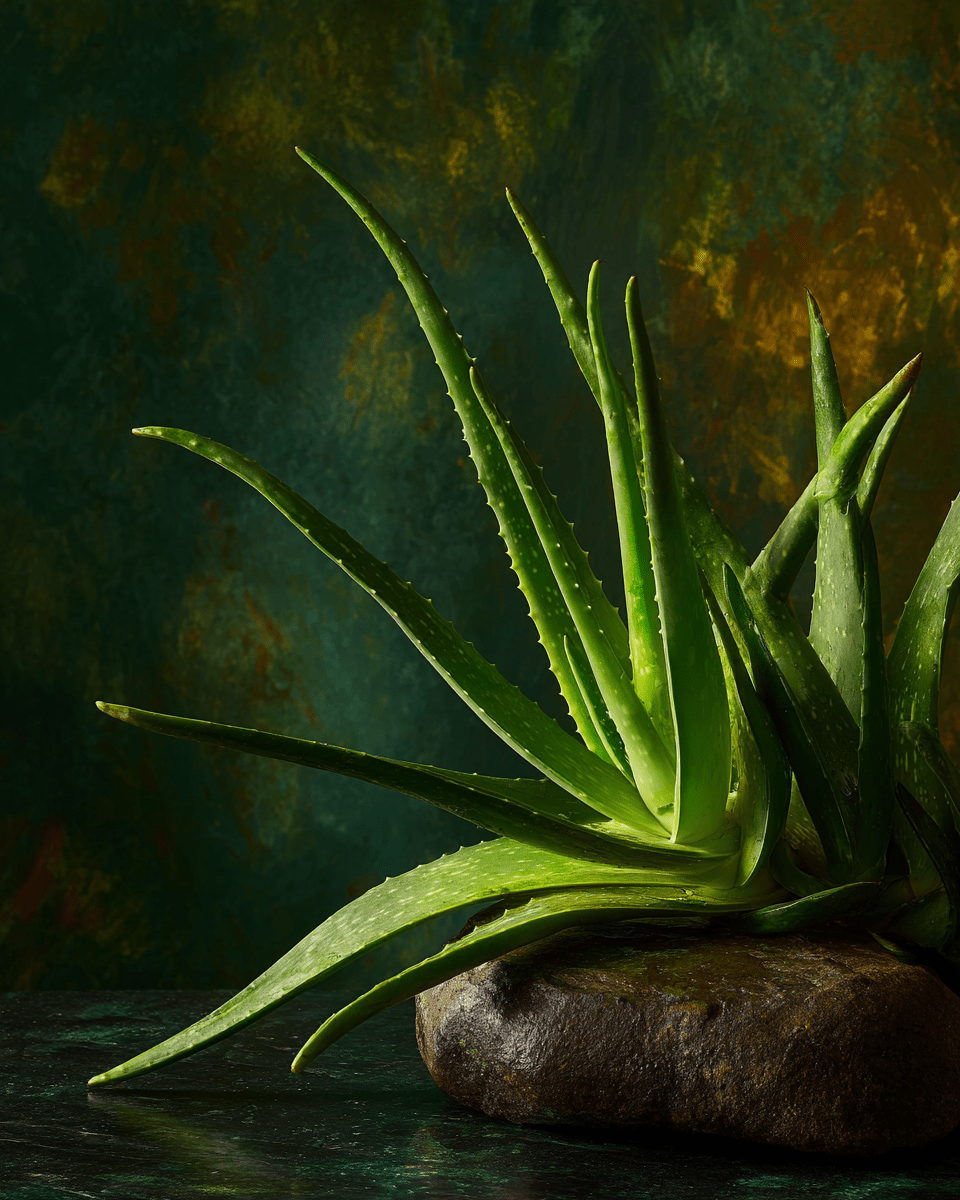
Summer presents mature dry skin with a paradox: heat and higher relative humidity naturally improve the feeling of surface hydration, but UV rays, water sports, and perspiration can simultaneously stress the skin's comfort and radiance. The summer strategy is to lighten textures without sacrificing essential nourishment—prickly pear seed oil, light and non-comedogenic, remains an ideal night care even in summer, in reduced quantity (2-3 drops). In the morning, mineral filter SPF50 is imperative and non-negotiable—even on cloudy days (80% of UV rays pass through clouds). An antioxidant serum (vitamins C + E, polyphenols, carotenoids) applied under SPF completes the protective gesture. After-sun: refrigerated aloe vera gel followed by a light layer of prickly pear seed oil forms a soothing and comfortable duo for exposed mature dry skin. Avoid exfoliating treatments during periods of high sun exposure—exfoliated skin is more sensitive to UV rays and the appearance of spots.
Mistakes to Avoid in Seasonal Routine Adaptation
The first mistake is to abruptly change your routine with the change of season. Skin adapts gradually: introduce new products one by one over two to three weeks, observing reactions. The second mistake is to completely abandon nourishing care in summer under the pretext that "the skin is less dry": mature dry skin needs lipid comfort all year round, due to its nature and not just ambient temperature. Reduce quantities, yes—stop, no. The third mistake is to neglect indoor factors in winter: heating, airplanes, air-conditioned offices create environments with very low humidity (10-20% relative humidity vs. optimal 40-60%). A humidifier in the bedroom (40-50% RH) helps limit nocturnal dryness. The fourth mistake is to omit SPF in winter or on cloudy days: UVA rays are present all year round, in all weather, through windows, and are among the main factors of sun-related aged skin appearance. Finally, do not underestimate SPF on the hands and décolleté—areas often forgotten but very revealing of age on mature skin.
Autumn-Winter: Intensive Nourishment and Protection Against Dryness
Autumn-winter is the critical season for mature dry skin. The priority is threefold: restore lipid comfort to skin stressed by summer, strengthen barrier comfort before winter aggressions, and maintain sufficient hydration despite dry air. The transition to richer textures occurs gradually in October: more concentrated ceramide creams, increased quantity of prickly pear seed oil (4-5 drops in the evening), introduction of a nourishing balm on particularly dry areas (eye contour, lips, hands). With age, the skin's natural renewal tends to slow down, and in winter this rhythm seems even more sluggish: this justifies maintaining a gentle monthly exfoliation (enzymatic mask, low-concentration AHA) to limit the dull appearance of the surface. Neck and décolleté care must be systematically integrated into the winter routine—these thinner and less protected areas particularly suffer from winter dryness.
The Nopal Life Approach: A Stable Basic Routine Adapted to Seasons
The Nopal Life philosophy for seasonal routines is based on a simple principle: a stable basic routine all year round, modulated in quantities and textures according to the seasons, rather than a radical complete change every three months. The core of the routine remains constant: gentle cleansing, moisturizing active ingredient (hyaluronic acid), lipid nourishment (prickly pear seed oil), morning sun protection. What varies: the amount of oil (reduced in summer, increased in winter), the addition of a rich cream as a night occlusive in winter, the introduction of reinforced antioxidant active ingredients in summer, and a monthly enzymatic exfoliation in autumn-spring. Prickly pear seed oil is the common denominator for all seasons: its relative lightness (compared to oils high in oleic acid) makes it adaptable in all circumstances. Nopal Life supports each client in this seasonal personalization via its Skin Intelligence diagnostic, which takes into account the current season and climatic conditions in its routine recommendations.
Frequently Asked Questions
Q: Is it really necessary to change cream between summer and winter?
A: For mature dry skin, yes. In summer, a gel-cream texture or a light cream + separate oil may be sufficient. In winter, a rich ceramide cream with occlusives helps compensate for the feeling of dryness amplified by cold and dry air. The same formula can be used in different quantities if that's what you prefer.
Q: How to protect skin from the cold during winter outdoor activities?
A: Apply a balm or rich cream (with beeswax or shea butter) to exposed areas 30 minutes before going out. A scarf and hat also protect the face from dry winds. Avoid going out with skin still damp (dry yourself thoroughly after your morning shower).
Q: Can mature dry skin benefit from moderate sunbathing?
A: No—there is no "beneficial" sun exposure in dermatology for mature skin. UVA and UVB alter the skin's firm appearance, promote the appearance of spots, and accentuate the aged look. Vitamin D production can be obtained with 5-10 minutes of exposure of the forearms and legs, never the face.
Q: Can wind damage mature dry skin?
A: Yes. Wind accentuates surface water evaporation and can cause significant dehydration in a few hours on skin with compromised comfort. A protective balm on the face before exposure to strong wind (sports, mountains, sea) is highly recommended.
Q: Should diet be adapted to seasons for skin?
A: Ideally, yes. In winter, increase omega-3 intake (fatty fish, flaxseed oil, walnuts), which contribute to skin suppleness. In summer, increase carotenoids (tomatoes, carrots, mango), which provide complementary protection. Dietary antioxidants remain valuable all year round.
Q: Does using a humidifier really help skin?
A: Yes. Maintaining indoor humidity between 40 and 50% helps limit the feeling of dryness, improves surface hydration comfort, and alleviates sensations of tightness. For mature dry skin, it's an investment as useful as topical treatments.
Q: Can prickly pear seed oil be used in all seasons?
A: Yes, that is precisely its strength. Its light texture compared to oils rich in oleic acid makes it adaptable: 2-3 drops in summer as a finishing treatment, 4-5 drops in winter as a primary nourishing treatment. It doesn't leave a greasy shine if well absorbed and is suitable for both summer and winter.
Information provided for cosmetic and educational purposes only; it does not constitute medical advice.
Read More


Go further than this article
Get our skincare guides by email — and start with your free skin diagnostic: 2 minutes, advice tailored to your skin. We ship to the US, UK, Canada, Australia and 27 European countries; somewhere else? Sign up and you will be the first to know when we deliver to your country.
By signing up, you agree to our privacy policy. Unsubscribe in one click.