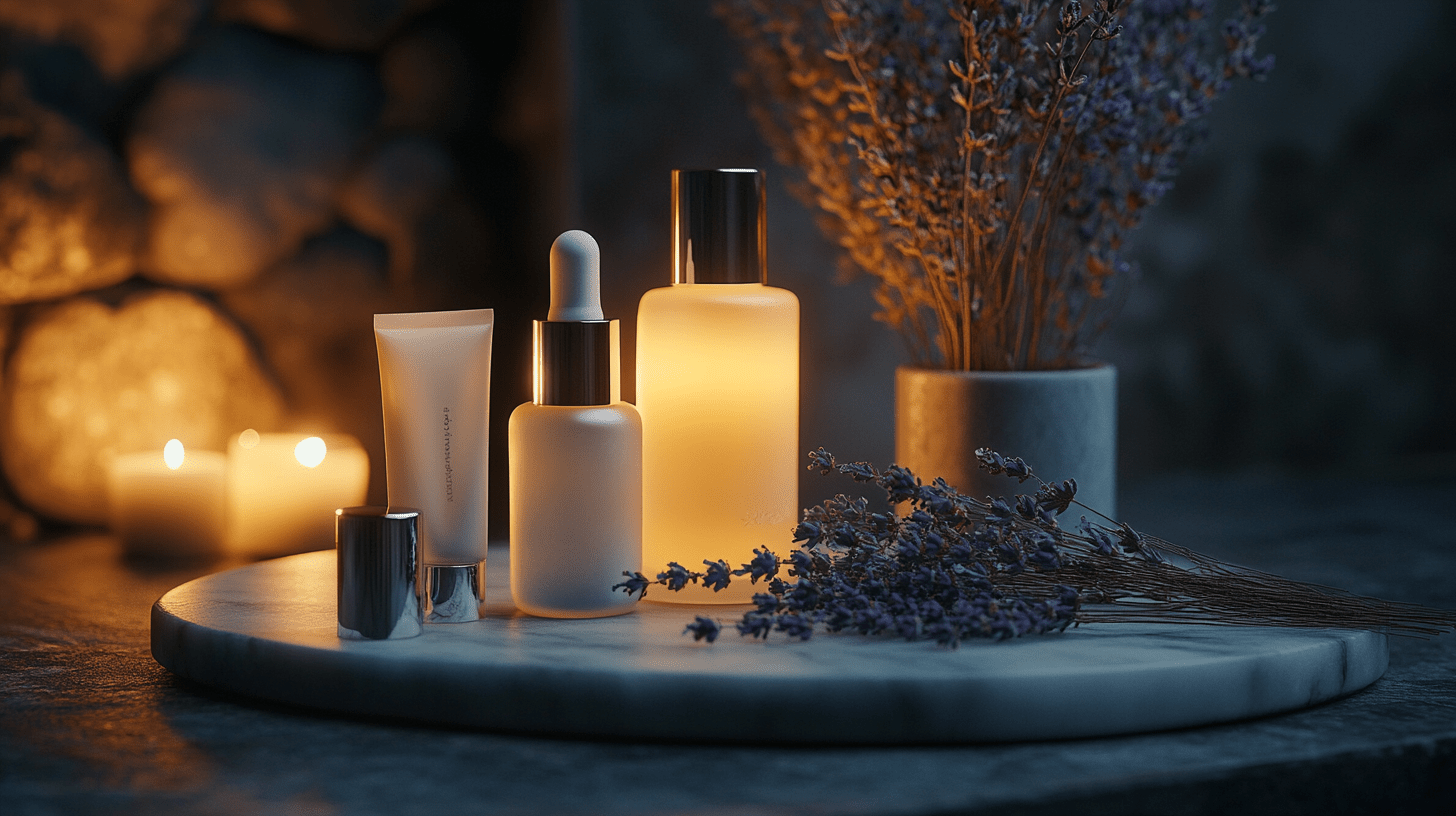
Natural anti-wrinkle care: the ideal night routine
Night is the most opportune time to address the appearance of wrinkles, without resorting to the most aggressive formulas. During sleep, the skin is protected from UV, pollution, and daily friction; it is therefore fully receptive to the comfort provided by the treatments you apply. This is precisely what makes a nocturnal natural anti-wrinkle ritual so relevant: the right action, at the right time, with carefully selected plant active ingredients.
At Nopal Life, our approach is based on the virtues of the prickly pear (Opuntia ficus-indica), a plant from arid lands whose seeds contain fatty acids and vitamin E, among the richest in the plant kingdom. This page brings together everything that matters for a nighttime skin care routine focused on the appearance of fine lines: the skin's nocturnal rhythm, a comparative table of natural active ingredients, a timed protocol, adaptation to each skin type, and pitfalls to avoid.
Why night promotes natural anti-wrinkle care
The skin follows a rhythm synchronized with our internal clock. In the evening, isolated from the stresses of the day, it becomes particularly receptive to the comfort of rich textures and plant oils. This is the ideal window for targeted wrinkle care.
Skin renewal intensifies at night. The rate of cellular skin renewal is higher during rest than during the day: the skin then directs its energy towards surface regeneration rather than defense. This is a simple physiological reason why an anti-aging treatment is best applied in the evening, when the presence of nourishing active ingredients is most effectively utilized.
Nocturnal rest is reflected in the complexion. Good quality sleep (7 to 8 hours) is generally accompanied, in the days that follow, by a perceived brighter complexion and more comfortable skin. Conversely, shortened nights often result in a dull face and marked features. Nighttime care extends this natural benefit of sleep, without seeking to replace it.
The sensation of tightness can increase at night. The skin then expresses an increased need for hydration and comfort: it appreciates humectant agents and enveloping textures that help preserve suppleness until waking, when dehydration fine lines are most visible.
In the evening, make way for richer treatments. Because it is no longer exposed to the sun, the skin tolerates active ingredients in the evening that would be inadvisable during the day. This is also why a night cream does not require SPF, unlike a day cream, and can rely on more generous textures.
Understanding this rhythm helps not to under-dose the evening ritual, to respect the order of application, and to choose plant active ingredients genuinely suited for nocturnal use.
Natural evening active ingredients to smooth the appearance of wrinkles
A good natural anti-aging treatment is not judged by the number of bottles, but by the quality of the active ingredients. The table below compares the main botanical active ingredients for evening use based on concrete criteria: origin, key data, contribution to appearance, and skin profile concerned. At the top, the signature of our formulations.
| Natural Active Ingredient | Origin | Key Data | Contribution to Appearance | Skin Profile |
|---|---|---|---|---|
| Prickly Pear Seed Oil | Opuntia ficus-indica (seeds) | ~60% linoleic acid, high vitamin E content | Suppleness, smoothed texture, radiance | Mature, dehydrated, combination |
| Bakuchiol | Psoralea corylifolia (plant) | Plant-based alternative to retinol, no known photosensitivity | Refined appearance of fine lines | Sensitive, seeking gentleness |
| Hyaluronic Acid | Biotechnology (fermentation) | Humectant, attracts water to the surface | Bouncy, plumped complexion | All types, especially dehydrated |
| Unrefined Shea Butter | Vitellaria paradoxa | Rich in unsaponifiables (triterpenes) | Comfort, soft occlusive veil | Dry, uncomfortable |
| Rosehip Oil | Rosa rubiginosa | Rich in polyunsaturated fatty acids | Radiance, restored suppleness | Mature |
| Nopal Cladode Extract | Paddle of Opuntia ficus-indica | Hydrophilic mucilages + betaine | Soothing sensation, unified complexion | Sensitive, dehydrated |
Focus on prickly pear seed oil. It is one of the most concentrated cosmetic active ingredients available: it takes about a ton of fruit to obtain a liter of this oil, which explains its rarity. Its profile combines approximately 60% linoleic acid (omega-6), nearly 18% oleic acid (omega-9), one of the highest levels of tocopherol (vitamin E) among vegetable oils, and plant sterols (beta-sitosterol, campesterol). These compounds help preserve comfort and suppleness, while the fine texture allows for rapid absorption, without a greasy effect.
Bakuchiol: the essential for gentle anti-aging routines. Retinol remains the reference active ingredient for wrinkle appearance, but it is photosensitizing and not recommended for pregnant or breastfeeding women. Bakuchiol, derived from a plant, is now sought after as a plant-based alternative: it offers a better tolerance profile and does not pose the same risk during the day. For a natural evening treatment, this is an interesting option, to be confirmed with your doctor if pregnant.
In addition to these essentials, plant antioxidants found in some evening formulas, such as resveratrol (from grapes), are designed to help preserve radiance. At Nopal Life, we prioritize raw materials from organic farming (organic), in a holistic approach to skincare, as respectful as possible of the skin and its environment.
Source: Ramadan M.F. & Mörsel J.-T., « Oil cactus pear (Opuntia ficus-indica L.) », Food Chemistry, 2003 — analysis of the fatty acid and tocopherol profile of prickly pear seed oil.
Cream, oil, or serum: what format for the evening?
The choice of format is as important as the choice of active ingredient. The same ingredient does not provide the same sensation depending on whether it is carried by an oil, a cream, or a serum. Here's how to position each product in a bedtime routine, to compose a holistic approach without multiplying steps. On average, three formats are sufficient to cover most needs.
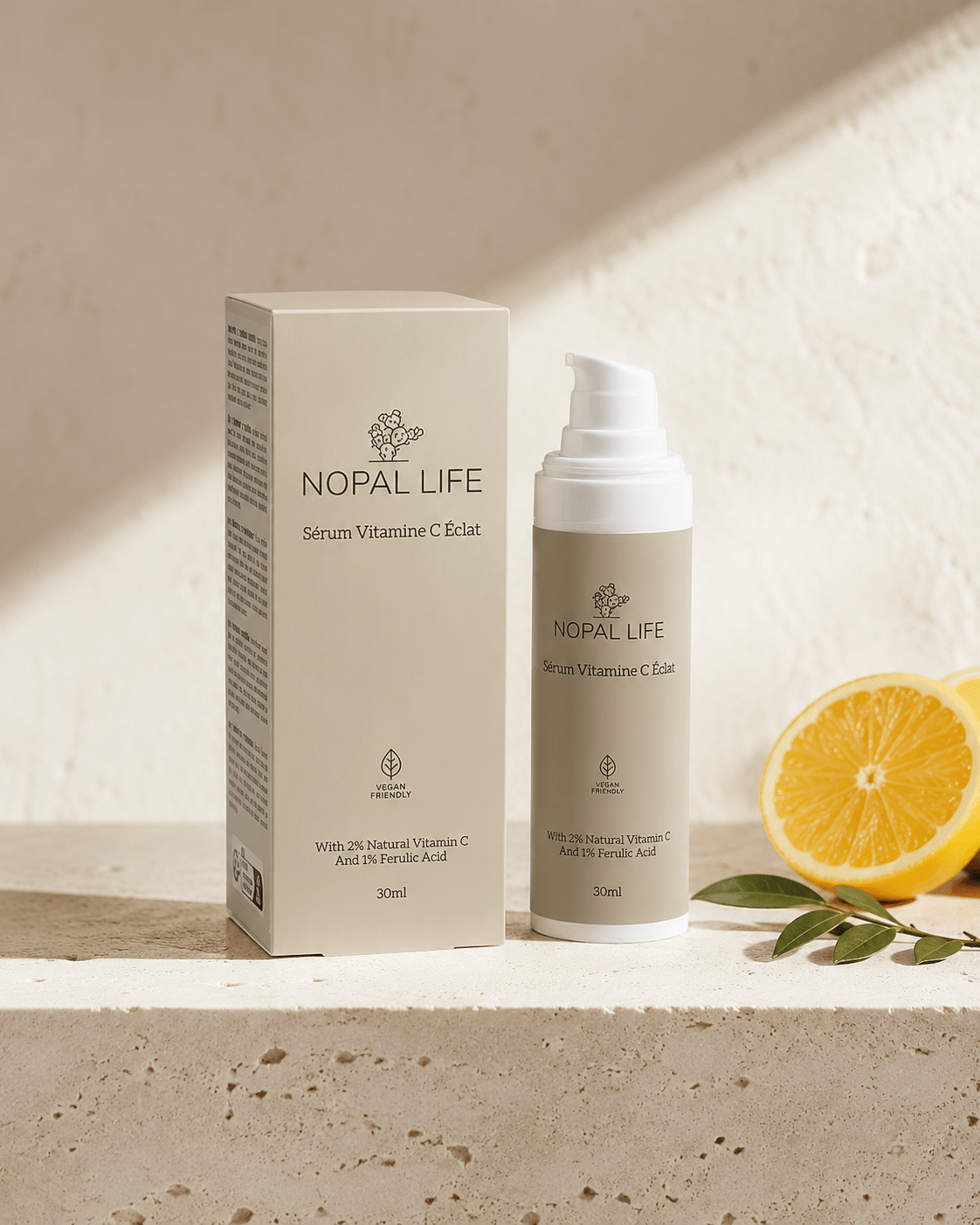
Serum is the lightest and most concentrated format: it is applied first, right after cleansing, and targets a specific concern (radiance, appearance of fine lines, comfort). Its fluid texture penetrates quickly and prepares the skin to receive subsequent treatments.
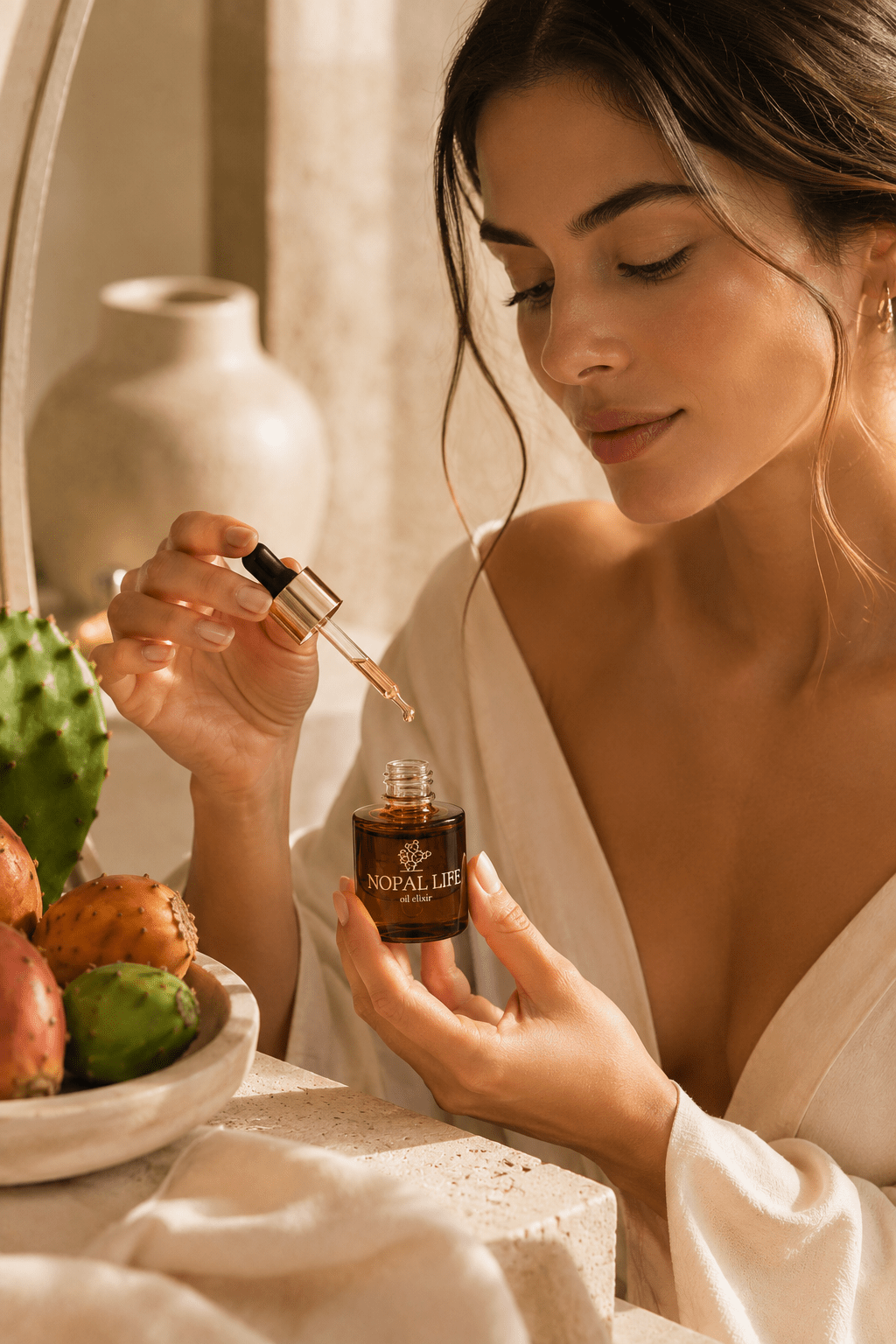
Vegetable oil comes next. It is the heart of a natural anti-aging ritual: a few drops of prickly pear oil nourish without weighing down and seal in the comfort provided by the serum. Its dry touch makes it a versatile product, suitable for most skin types.
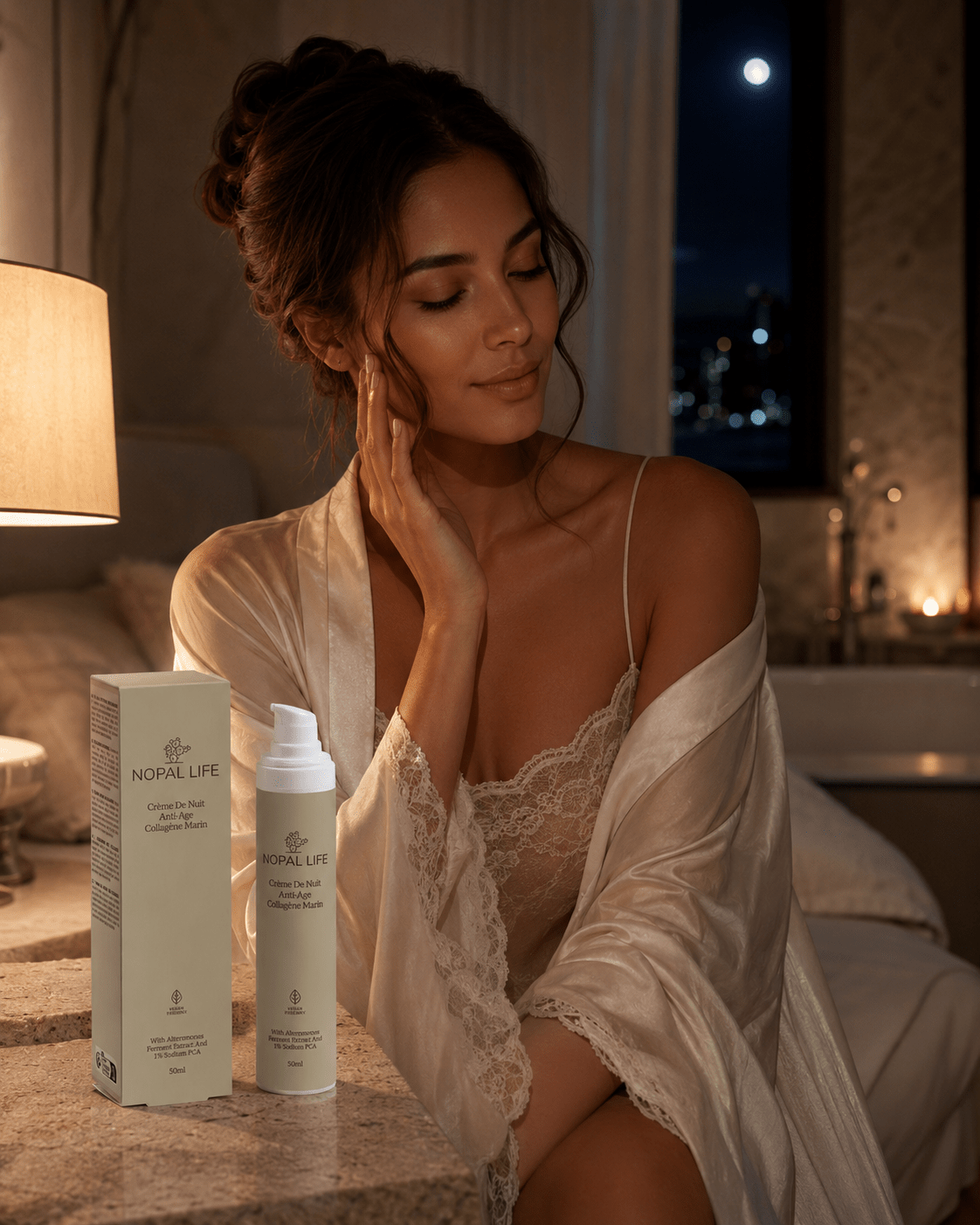
Night creams, finally, offer the most enveloping veil. Richer, they are suitable for skin that seeks intense comfort or a firming effect, like a sensory "lift" upon waking. They can be reserved for the most marked areas (forehead, mouth contour, neck) or applied to the entire face depending on the season. There is no universally superior format: the key is to stay within a reasonable limit of products and listen to what your skin needs, night after night.
The Nopal night protocol, minute by minute
An effective evening treatment relies on a precise order of application: from lightest to richest. Here is the sequence we recommend, with concrete timeframes. Allow eight to ten minutes in total.
| Time | Step | Action & Dosage |
|---|---|---|
| 9:00 PM | Makeup removal & cleansing | 60 to 90 seconds, gentle cleanser without harsh sulfates |
| 9:03 PM | Mist or floral water (optional) | 2 to 3 sprays, especially on dehydrated skin |
| 9:04 PM | Serum or targeted active | Lightest texture first; allow ~1 min to penetrate |
| 9:06 PM | Oil or night cream | 3 to 4 drops of prickly pear oil, warmed between palms |
| 9:08 PM | Eye contour (if needed) | Small dabs with ring finger, without stretching |
Two clarifications from our practice at Nopal Life. First, a few drops of prickly pear oil are enough: gently press them onto the entire face, avoiding the eye contour, without prolonged massaging. Second, always extend the gesture to the neck and décolleté, with upward movements: these areas show age faster than the face because they are often forgotten. For more established fine lines (forehead, mouth contour), a richer night cream can be applied last, in a localized layer.
Frequency. The ritual becomes more effective with regularity: 5 to 7 nights a week. The first signs of comfort (more supple skin upon waking, more rested complexion) generally appear in 2 to 4 weeks; the evolution of wrinkle appearance and firmness requires 6 to 8 weeks of consistency.
Adapting evening care to your skin type
Not all skin types react the same way at night. Before setting your protocol, identify your profile: it guides the choice of textures, dosage, and active ingredients to prioritize in the evening. The four main categories below help you position yourself.
Mature skin and established wrinkles
Over time, skin loses suppleness and comfort; facial firmness, associated with collagen, naturally evolves with age. Evening is the ideal time to pamper it with treatments rich in essential fatty acids (omega-6, omega-9), vitamin E, and plant sterols. Prickly pear seed oil, with its ~60% linoleic acid, is among the best suited for this profile.
Dehydrated skin
Dehydration, often confused with dryness, is a lack of water, not lipids: it affects all skin types, including combination and oily, and accentuates surface fine lines. At night, layer a humectant agent (hyaluronic acid, mist) then a more occlusive veil to help preserve the sensation of hydration until morning.
Combination and normal skin
These skin types prefer a balanced evening treatment, without excessive richness on the T-zone. A so-called "dry" vegetable oil or a lightly emollient cream is sufficient. The nocturnal goal: to unify the complexion and smooth the texture without weighing it down.
Sensitive and reactive skin
For sensitive skin, night allows for soothing treatments that might be too intense during the day. Prioritize natural formulations, without synthetic fragrance. Prickly pear is an asset here for its richness in betaine, an active ingredient that helps soothe sensations of discomfort.
RECOMMENDED TREATMENT
Pure Prickly Pear Seed Oil
The natural anti-aging evening ritual · Cold-pressed
DISCOVER THIS TREATMENT →Mistakes that spoil an anti-aging evening treatment
Even with good products, certain habits cancel out the expected benefits. Here are the most frequent ones.
Skimping on makeup removal. Uncleaned skin retains a film of sebum, makeup, and pollution that hinders the application of treatments. Cleansing should be gentle but thorough, including the eye contour and jawline.
Applying in the wrong order. The rule: from lightest to richest. Applying an oil before a serum forms a film that prevents the latter from settling. Always start with aqueous textures, finish with fatty substances.
Over-dosing on evening exfoliants. AHAs, BHAs, and retinoids are potent. Used too frequently or in too high a concentration, they can compromise skin comfort and trigger irritation. Start with a low concentration, two to three times a week at most — this is where a gentle active like bakuchiol comes into its own.
Forgetting the neck and décolleté. These areas often show signs of aging before the face. Always extend your skincare to your collarbone, using upward motions.
Changing products too often. Skin needs time to show visible results. Allow at least 4 weeks of consistent use before evaluating a routine: resist the temptation to change everything after just a few days.
Frequently Asked Questions About Evening Anti-Wrinkle Skincare
Can a "natural anti-wrinkle" product truly be limited to plant-based actives?
Yes, provided you focus on consistency and the quality of the active ingredients. Oils rich in linoleic acid, humectants like hyaluronic acid, and plant-based alternatives such as bakuchiol form a coherent evening routine, targeting the appearance of wrinkles and comfort, without the constraints of some more aggressive actives.
Can a night oil be used on oily skin?
Yes, by choosing the right one. "Dry" oils, rich in linoleic acid such as prickly pear oil, are non-comedogenic and suitable for oily and combination skin. They help to reduce shine in affected areas over the weeks.
What time should you apply your evening skincare?
The earlier the better, to allow the active ingredients to work during the maximum hours of rest — ideally between 9 PM and 10 PM. Avoid waiting until you're too exhausted to complete your routine properly.
Is retinol compatible with pregnancy?
Retinol and retinoids are generally not recommended for pregnant or breastfeeding women. This is one of the advantages of bakuchiol, a better-tolerated plant-based alternative. If pregnant, always seek your doctor's advice before introducing any active ingredient.
How do I know if my evening skincare is effective?
The first signs appear within 2 to 4 weeks: skin feels suppler upon waking, complexion looks more even, increased comfort. Visible improvements in the appearance of wrinkles and firmness usually require 6 to 8 weeks of consistent use.
Can the same products be used morning and evening?
Some products are universal (multi-purpose oil, light cream). Others are specific to evening use: photosensitive actives like retinoids, richer textures. Day creams often include SPF or antioxidants designed for sun exposure; they are not optimized for nighttime.
Read more
Information provided for cosmetic and educational purposes; it does not constitute medical advice.
Our anti-aging treatments