Enzymatic Papaya Papain: gentle keratolysis, fine lines and firmness for dehydrated mature skin
Papain is one of the most appreciated plant-based ingredients in cosmetics. Extracted from the green fruit of Carica papaya, it is traditionally used for its gentle exfoliating action — known to help remove dead cells from the surface without harming the skin. For dehydrated mature skin with an irregular texture and fine lines, enzymatic papaya is a gentle alternative to harsh mechanical scrubs. Combined with prickly pear powder, it forms a rare plant synergy, valued for its comfort and visible smoothing effect.
Papain: what exactly is it?
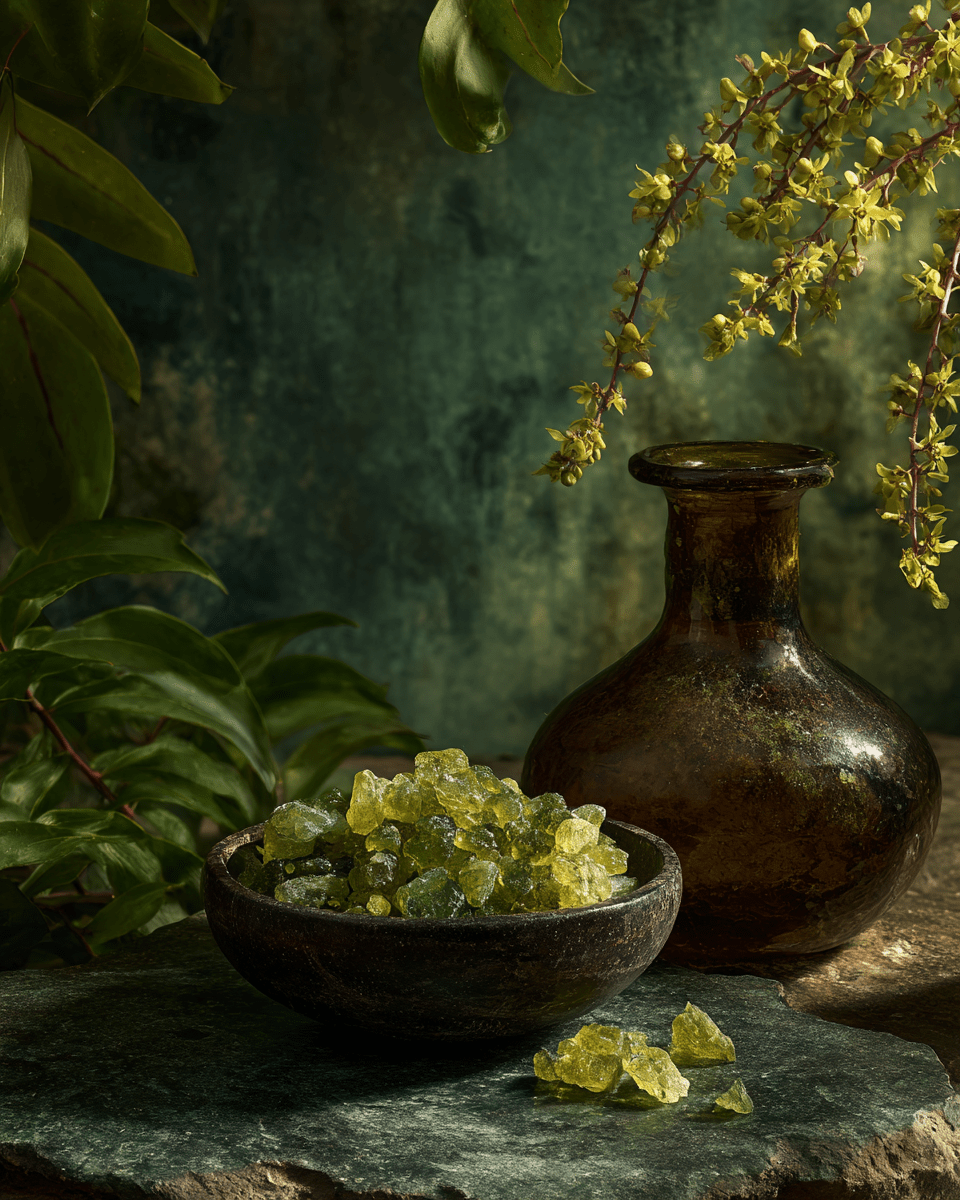
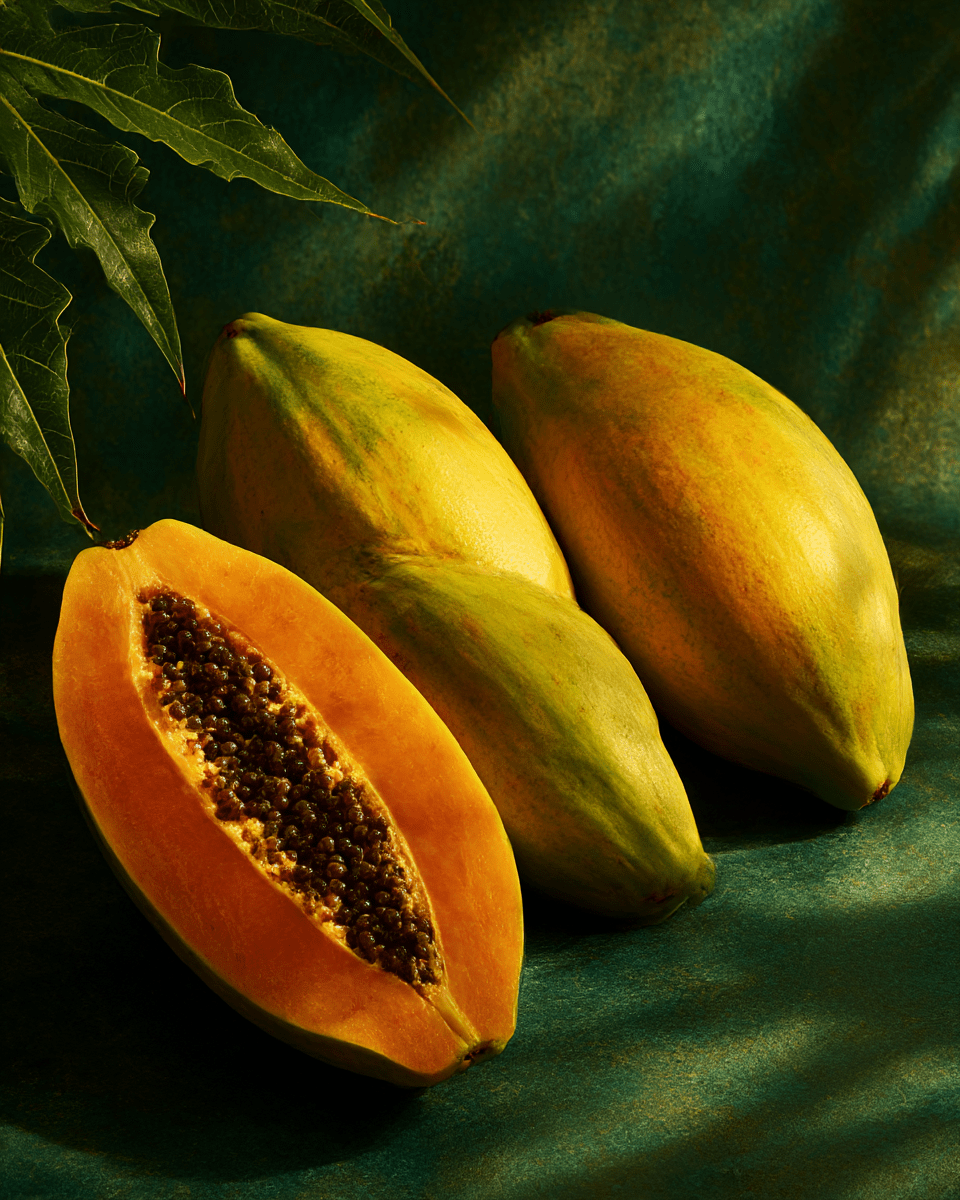
Papain is a plant-based ingredient derived from the unripe fruit of Carica papaya, then concentrated in the white latex that flows when the green fruit is incised. It is one of the most well-known gentle exfoliating active ingredients in cosmetics, traditionally used for a long time in many cultures.
In cosmetics, papain is valued as a gentle exfoliating ingredient. It is known to help remove dead cells from the surface that dull the complexion, especially those that accumulate on the skin's surface. Unlike mechanical scrubs, which can be harsh due to friction, enzymatic papaya stands out for its gentleness: it is known to respect skin comfort while helping to refine skin texture.
This gentleness explains why enzymatic papaya is often well-tolerated by sensitive skin when used at recommended cosmetic concentrations. This is one of the reasons for its popularity in gentle facial care.
Optimal pH and conditions of use for papain
Papain is an ingredient sensitive to formulation conditions. Laboratories ensure it is incorporated into a suitable environment to preserve all its cosmetic qualities. This attention to formulation is essential to guarantee a gentle and comfortable product for use.
Cosmetic formulations based on papain generally favor a pH close to that of the skin to optimize comfort without destabilizing the hydrolipidic film. Outside of suitable conditions, papain can lose its cosmetic qualities. Temperature also plays a role. In cosmetic practice, application to slightly warm skin (after showering) is known to improve the exfoliating sensation.
Another factor to be aware of is the presence of zinc-based ingredients, which may be less compatible with papain. Formulations combining papain and zinc oxide should therefore generally be avoided — a point often overlooked in unsupervised home routines.
Gentle exfoliation: what happens on your skin's surface
Gentle exfoliation by papain is appreciated on the skin's surface. Prior hydration is important: well-hydrated skin promotes homogeneous exfoliation, while dry skin considerably limits the sensation. This is why it is advisable to moisten the skin beforehand.
Enzymatic papaya is valued for helping to gently dislodge dead cells that dull the skin's surface. By helping to release these superficial cells, it supports the skin's natural desquamation and contributes to a smoother texture to the touch.
The result is a visibly fresher complexion and a refined skin surface, without mechanical abrasion or friction. The surface texture can appear improved within the first few weeks of regular use, with a skin texture that seems smoother. For mature skin whose complexion tends to dull over time, this gentle exfoliating effect is particularly appreciated.
Papain and prickly pear powder synergy for dehydrated mature skin
Prickly pear powder (Opuntia ficus-indica) is a choice active ingredient for dehydrated mature skin, rich in polyphenols, vitamin C, and mucilaginous fibers. Its profile creates a remarkable synergy with papain.
On one hand, the mucilaginous polysaccharides of prickly pear form a moisturizing film on the surface — helping to preserve skin hydration and thus promoting more homogeneous exfoliation by papain. On the other hand, the polyphenols and flavonoids of Opuntia are valued for their soothing effect, which contributes to skin comfort after exfoliation.
For superficial fine lines, the complementarity is direct: papain helps remove the accumulation of dead cells on the surface that visually accentuates dehydration lines, while prickly pear helps preserve the firm and plump appearance of the skin. Opuntia powder is appreciated for its effect on the skin's suppleness and visible density over weeks of application.
Finally, the vitamin C naturally present in prickly pear is an antioxidant asset that complements the action of papain. This plant association is valued for the quality of care it provides, compared to purified papain formulations.
For skin classified as dehydrated mature skin, this synergy simultaneously addresses three visible concerns: dehydration (Opuntia mucilage), dull complexion (papain), and loss of firm and plump appearance (prickly pear).
Mistakes to avoid with enzymatic papaya
Despite its great gentleness, papain requires a few precautions to get the best out of it. Here are the most common mistakes observed in practice.
Mistake 1 — Using on dry skin without prior humidification. Without sufficient skin hydration, papain applies less effectively and the exfoliating sensation is significantly reduced. Always apply to slightly damp skin, ideally after gentle cleansing.
Mistake 2 — Combining with zinc formulas. Zinc oxide, present in many concealers or mineral sunscreens, is not very compatible with papain. Do not layer these two active ingredients on the same evening.
Mistake 3 — Immediately combining with strong exfoliating treatments. Retinoid-type treatments already provide skin surface stimulation. Combining papain and retinol on the same evening on mature skin can lead to a feeling of discomfort and tightness. Alternate: papain 2-3 times/week, retinoid treatment on other evenings.
Mistake 4 — Neglecting sunscreen the next day. Exfoliation reveals fresh skin, which is more sensitive to the sun. Applying a minimum SPF 30 the next morning is non-negotiable to preserve the benefits of your treatment.
Mistake 5 — Expecting results in a single application. Enzymatic exfoliation is a practice that yields results over time. Visible benefits on the appearance of fine lines and visible firmness require 3 to 6 weeks of regular use (2-3 times a week). A single application provides only a temporary smoothing effect.
Mistake 6 — Using on damaged or uncomfortable skin. Papain is an exfoliant — so it's best to avoid it on damaged or sensitized skin. In case of marked skin discomfort, suspend use and, if necessary, seek the advice of a healthcare professional.
How to integrate enzymatic papaya into your P1 routine
For skin seeking radiance and visible firmness, the P1 routine is built around bi-weekly enzymatic exfoliation complemented by daily care that helps preserve the skin's dense appearance.
Evening 1 & 3 (Monday/Thursday) — Enzymatic exfoliation: After cleansing, slightly moisten the face. Apply your papain active to the T-zone and cheeks, avoiding the eye area. Leave on for 8 to 12 minutes — do not exceed 15 minutes. Rinse with lukewarm water, pat dry.
Daily complementary care: Nopal Life prickly pear powder can be integrated into your evening serum or cream to prolong skin comfort on nights without exfoliation. It complements the exfoliating action by helping to maintain good hydration levels and providing its antioxidants every night.
Morning: Gentle cleansing, vitamin C or niacinamide serum, mandatory SPF 30+. Nopal Life's Radiance and Skin Tone Uniformity collection offers complementary formulas to maintain the skin's luminosity achieved after enzymatic exfoliation.
To customize this routine according to your exact skin type, use the Nopal Life Skin Intelligence™ — our AI skin diagnostic tool that identifies your 8 skin dimensions and recommends the precise routine adapted to your profile.
Enzymatic papaya is not an isolated miracle ingredient — it is a precision active ingredient that yields its best results when integrated into a consistent routine, with the right active partners and the necessary consistency.
Conclusion
Papain, derived from papaya, gently exfoliates dehydrated mature skin. Without abrasive particles or harsh acids, it refines skin texture and revives radiance. Its delicacy suits fragile skin. Used regularly, enzymatic papaya reveals a visibly brighter complexion and helps smooth the appearance of superficial fine lines.
Frequently Asked Questions about Enzymatic Papaya
Q: Is papain suitable for sensitive skin?
A: Yes, provided the recommended cosmetic concentrations (0.1 to 0.5%) and formulation pH (5.5–6.8) are respected. Papain is generally better tolerated than acid scrubs by sensitive skin, as its action is gentle and progressive, without damaging the hydrolipidic barrier. For first-time use, test on the bend of the elbow 24 hours before facial application.
Q: Can papain be used during pregnancy or breastfeeding?
A: Data available on topical use of papain during pregnancy is limited. As a precaution, it is advisable to avoid highly concentrated formulas and to seek your doctor's advice. Occasional application of standard cosmetic concentrations is generally considered well-tolerated, but caution remains key.
Q: What is the difference between enzymatic papaya and AHA (glycolic, lactic)?
A: AHAs act through a chemical action on the surface — they lower skin pH and can loosen dead cells in a less selective way. Enzymatic papaya offers gentler exfoliation, appreciated for its comfort. Result: less discomfort, better tolerance on fragile mature skin, but a slightly less intense effect than a concentrated AHA.
Q: How long does it take to see results on superficial fine lines?
A: The first noticeable results (smoother texture, more even complexion) generally appear after 2 to 3 weeks of use twice a week. For the appearance of superficial fine lines and improvement in visible firmness, allow 6 to 8 weeks of regular routine with a complementary night treatment such as prickly pear powder.
Q: Can papain stain clothes or sheets?
A: Yes — papain is a powerful plant ingredient known to mark certain natural materials (wool, silk, protein dyes). After application, avoid prolonged contact with these materials until thoroughly rinsed. This is also why papain is included in many "organic" detergents: it helps break down protein-based stains (blood, milk, egg).
Q: Should a papain product be rinsed off or can it be used as a leave-on?
A: The majority of cosmetic papain formulations are rinse-off (mask, enzymatic scrub) to limit exposure time and precisely control exfoliation. Leave-on formulas exist but with lower concentrations (0.05–0.1%) and complex stabilization systems. To start, favor a rinse-off formula with precise timing (8–12 min).
Q: Does papain lose its effectiveness over time?
A: Yes — papain is an ingredient sensitive to oxidation, heat, and light. An open bottle should be stored in a cool, dark place and used within 3 to 6 months. Degraded papain has a slightly rancid odor and a brownish color — signs of irreversible oxidation.
Discover Nopal Life Prickly Pear Powder
Rich in betalains, polyphenols, and natural mucilage — the perfect synergy to accompany enzymatic exfoliation and bring comfort to your mature skin at night.
This content is informative and educational; it does not replace medical advice, diagnosis, or dermatological consultation. In case of doubt or persistent skin problem, consult a qualified healthcare professional.
Why choose Nopal Life for radiance and visible firmness
Caring for the appearance of skin over time requires choosing active ingredients recognized for their cosmetic quality. Nopal Life prickly pear oil, rich in essential omega-6 and omega-9 fatty acids, vitamin E, and plant sterols, is appreciated for its contribution to skin suppleness and comfort. It helps preserve the skin's firm and plump appearance, reduces the appearance of dehydration fine lines, and provides a visible smoothing effect from the first few weeks.
Combine it with our night cream and serum for a complete synergy, day and night. Your skin regains a firm, radiant, and comfortable appearance. Discover the Nopal Life formulation designed for your skin profile with our free Skin Intelligence diagnostic.
PERSONALIZED ROUTINE
Nopal Life Skin Intelligence™
Free diagnostic · 2 minutes
DISCOVER MY ROUTINE →Prickly pear powder behind the enzyme
Papain acts on the surface and requires a non-drying support: this is the role of seed powder, whose fatty substances compensate for what the enzyme detaches. A prickly pear seed powder mask provides this powder, to be applied alternately with the enzymatic version.


Go further than this article
Get our skincare guides by email — and start with your free skin diagnostic: 2 minutes, advice tailored to your skin. We ship to the US, UK, Canada, Australia and 27 European countries; somewhere else? Sign up and you will be the first to know when we deliver to your country.
By signing up, you agree to our privacy policy. Unsubscribe in one click.