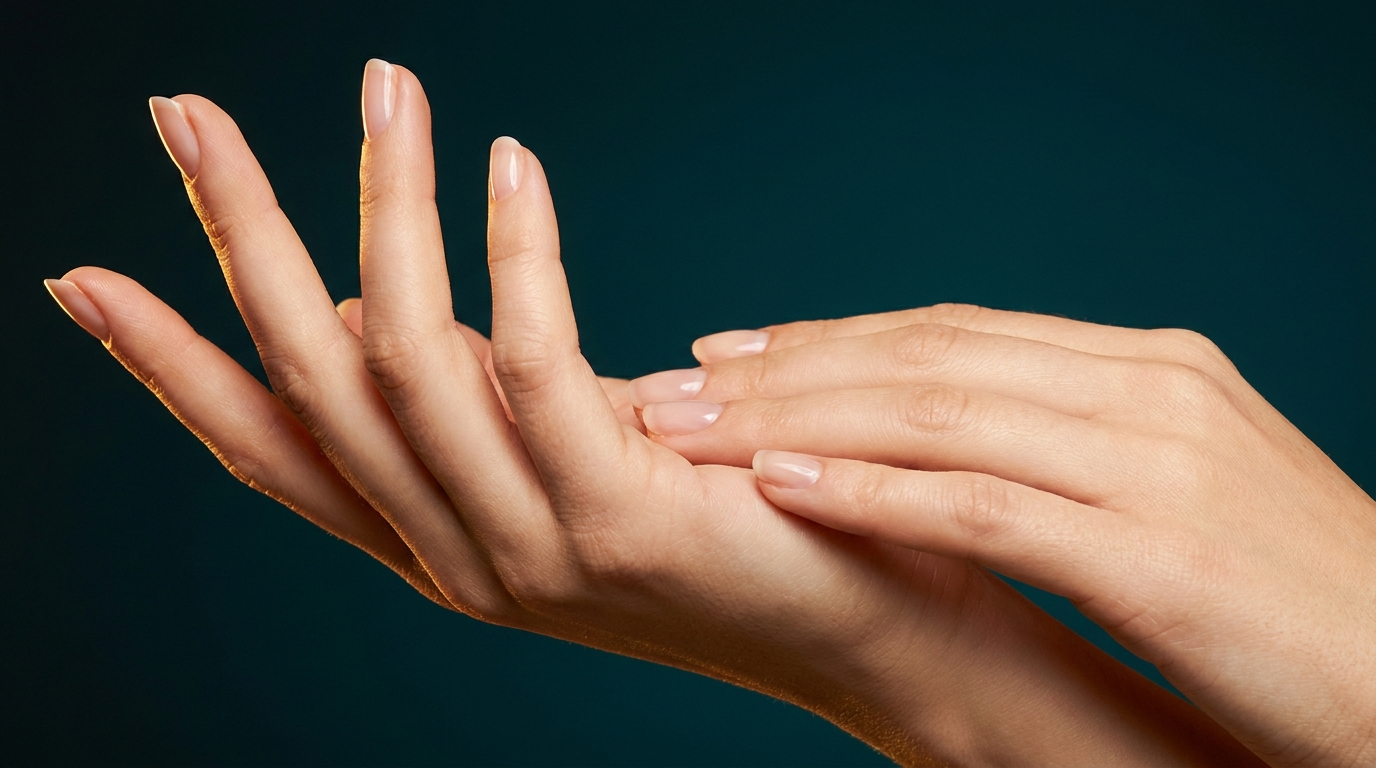
Yogurt face mask: safe recipes without lemon
A yogurt face mask mainly provides a fresh texture, water, lipids, and a small amount of lactic acid, but it does not replace a properly dosed cosmetic peel. One tablespoon of plain yogurt is enough for one application. Leave on for five to ten minutes, then rinse with lukewarm water, without pure lemon.
Which yogurt to choose for a homemade recipe
Choose plain yogurt without sugar, flavorings, or fruit pieces. Whole yogurt gives a richer texture, while low-fat yogurt dries faster. The product should be fresh, kept refrigerated, and used immediately after opening.
Yogurt contains water, proteins, varying lipids, and lactic acid from fermentation. Its pH is often around 4 to 4.6, but the exact concentration changes depending on the brand and fermentation process. Therefore, it cannot be dosed like an exfoliating product.
The information on lactic acid explains the difference between fermented food and cosmetic active ingredients.
Hydrating honey recipe in ten minutes
Pour one tablespoon of plain yogurt into a bowl. Add one teaspoon of honey and mix for thirty seconds until a homogeneous cream is obtained. Apply the mask to the face, avoiding the eye contour.
Leave on for ten minutes without waiting for the surface to crack. Moisten your fingers, massage very gently for ten seconds, then rinse with lukewarm water. Pat dry and apply a moisturizer.
- 1 tablespoon plain yogurt
- 1 teaspoon honey
- 10 minutes application time
- Rinse with lukewarm water
- Frequency: once a week
Oat version for sensitive skin
Mix one tablespoon of yogurt with one teaspoon of colloidal oatmeal powder. Let it swell for two minutes so that the beta-glucans thicken the paste. Spread a thin layer and keep it on for five minutes the first time.
Rinse without rubbing. A coarse powder can act as a mechanical scrub and increase friction. Use only very fine oat specifically for skincare or blended and then sieved.
The page on colloidal oatmeal details the forms suitable for delicate skin.
Why lemon juice should stay out of the bowl
Many recipes add a few drops of lemon juice. Its pH, close to 2, is much more acidic than that of the skin, and its composition varies widely. It can cause irritation and increase the risk of marks after sun exposure.
For a brightening effect, prefer a cosmetic formula with vitamin C or an exfoliant designed for the face. Food-grade lemon provides neither a stable concentration nor a preservative system. Therefore, it is not an equivalent natural version.
The guide on lemon in cosmetics specifies the forms and precautions.
Dry, combination, and oily skin: three adjustments
For dry skin, add half a teaspoon of sweet almond oil. For combination skin, keep the yogurt alone on the T-zone and add honey only to the cheeks. For oily skin, half a teaspoon of kaolin can thicken the paste without exceeding five minutes of application.
A feeling of tightness after rinsing indicates that the base or duration is not suitable. Reduce the application time to three minutes and finish with a cream. The mask should never leave the skin rough or overheated.
| Profile | Addition | Application Time | Objective |
| Dry | 1/2 tsp sweet almond oil | 8 min | Comfort |
| Combination | Honey on cheeks | 7 min | Targeted application |
| Oily | 1/2 tsp kaolin | 5 min | Light absorption |
| Sensitive | 1 tsp oats | 3 to 5 min | Softness |
Patch test and hygiene rules
Prepare only the necessary amount and discard the rest. The mixture contains water, proteins, and sugars: it quickly becomes a favorable environment for microorganisms. Do not keep the bowl for the next day, even in the refrigerator.
Test a small amount under the jaw for five minutes. Wait twenty-four hours before a full application if the skin is reactive. Use a clean bowl, a washed spoon, and dry hands.
The module on the skin microbiome explains why hygiene for an aqueous recipe matters.
Frequency and place in the routine
A yogurt face mask once a week is sufficient. Do not use it on the same evening as glycolic acid, retinol, or a grainy scrub. Combining them can increase tingling without improving the result.
After rinsing, apply a simple cream. The next morning, use sunscreen if your routine already includes exfoliants. A photograph taken before and thirty minutes after helps distinguish the hydrating effect from simple redness due to massage.
The page mask or exfoliant helps choose the right step.
A yogurt face mask should always be prepared in a single dose to avoid uncertain storage.
The texture of a yogurt face mask should remain creamy and easy to rinse without rubbing.
What yogurt does not do
A yogurt face mask does not depigment a spot, does not permanently tighten pores, and does not replace a preserved formula. Its main effect is temporary comfort and a more supple surface thanks to water and its creamy texture.
The presence of lactic acid does not turn the recipe into a peel. The dose, pH, and penetration are not controlled. For regular exfoliation, choose a cosmetic product designed for this purpose.
PERSONALIZED ROUTINE
Nopal Life Skin Intelligence™
Free diagnostic · 2 minutes
DISCOVER MY ROUTINE →


Go further than this article
Get our skincare guides by email — and start with your free skin diagnostic: 2 minutes, advice tailored to your skin. We ship to the US, UK, Canada, Australia and 27 European countries; somewhere else? Sign up and you will be the first to know when we deliver to your country.
By signing up, you agree to our privacy policy. Unsubscribe in one click.