Dull, combination skin glycation: AGEs, sugar aging, prevention
Evolving firmness, discreet radiance: mature skin has its own needs, and they deserve respect. This guide on skin Glycation for dull combination skin provides the keys to an effective routine, in the spirit of NOPAL LIFE — natural, sensory, demanding.
Skin glycation: a dulling factor often mentioned for combination skin
Glycation is one of the phenomena least known to the general public, often mentioned when discussing the appearance of skin that loses its radiance over time. This process is generally described as a meeting between sugar molecules (glucose, fructose) and certain support proteins in the skin. The term also refers to a well-known phenomenon in cooking, described by chemist Louis-Camille Maillard in 1912 (Maillard reaction): this is what gives cooked foods their golden brown color at high temperatures. In skincare, glycation is discussed in relation to skin whose apparent suppleness and evenness of radiance seem to evolve. For dull combination skin, this phenomenon is often associated with a more pronounced matte veil and a potentially yellowish tint: all visible signs of appearance that an adapted routine seeks to address to preserve a luminous complexion.
Glycation is a process by which sugars attach to proteins without enzymatic intervention. The result has a name: Advanced Glycation End products, or AGEs.
In the skin, the proteins concerned are collagen and elastin. Their progressive stiffening contributes to skin aging, alongside oxidative stress with which it accumulates. The formation of AGEs is slow and continuous; no anti-glycation treatment can reverse it, with available formulas aiming to slow it down.
Glycation and skin appearance: what we observe on the surface regarding comfort and visible firmness
Glycation is generally discussed as a progressive phenomenon, whose effects on skin appearance become apparent over the years. On a daily basis, what is most often observed is an appearance: skin that seems to lack bounce, a feeling of tightness during facial expressions, and a tint that may appear duller or yellower with age. This is why many skincare routines for mature skin focus on preserving the skin's firm and plump appearance and maintaining the visible radiance of the complexion. The goal is not to transform the skin's structure, but to support its appearance day after day, with regular actions and a consistent approach that prioritizes comfort and visible luminosity.
Radiance, comfort, and antioxidant care: a global approach for combination skin
When discussing the dull appearance of combination skin, the notion of glycation is often associated with daily exposure (sun, pollution, lifestyle). Preserving radiance then involves a global approach that combines topical care and lifestyle hygiene. So-called antioxidant ingredients — whether from skincare or diet — are frequently cited in this approach to help the skin maintain a fresh and luminous appearance. For dull combination skin, attention is paid both to the T-zone, which is more prone to shine, where the aim is to mattify the appearance of shiny areas, and to drier areas, where comfort and hydration are prioritized to preserve radiance. This dual reading of the face allows for adjusting actions and supporting the apparent uniformity of the complexion.
Mistakes to avoid to preserve the radiance of dull combination skin
The first mistake is to ignore the role of diet in the appearance of the skin. An excess of high glycemic index sugars (sodas, pastries, white bread, confectionery) is often cited as unfavorable to the complexion's radiance. Limiting refined sugars and prioritizing low-GI foods is a commonly recommended habit for maintaining a beautiful skin appearance, just like good topical care. Second mistake: neglecting photoprotection, thinking that everything happens internally. Sun exposure is one of the most cited factors when discussing dull complexion. Without daily SPF, photoprotection is incomplete. Third mistake: systematically cooking at very high temperatures (grilling, frying, caramelization). Prioritizing steaming, poaching, or acidic marinades (lemon, vinegar) is among the frequently shared lifestyle tips. Fourth mistake: skipping antioxidant care. Vitamin C, resveratrol, vitamin E, and plant polyphenols are ingredients often chosen in routines aimed at preserving the visible radiance of the complexion. Fifth mistake: forgetting that tobacco is regularly cited among the factors that dull the skin's appearance.
Ingredients often associated with the radiance of dull combination skin: what to remember
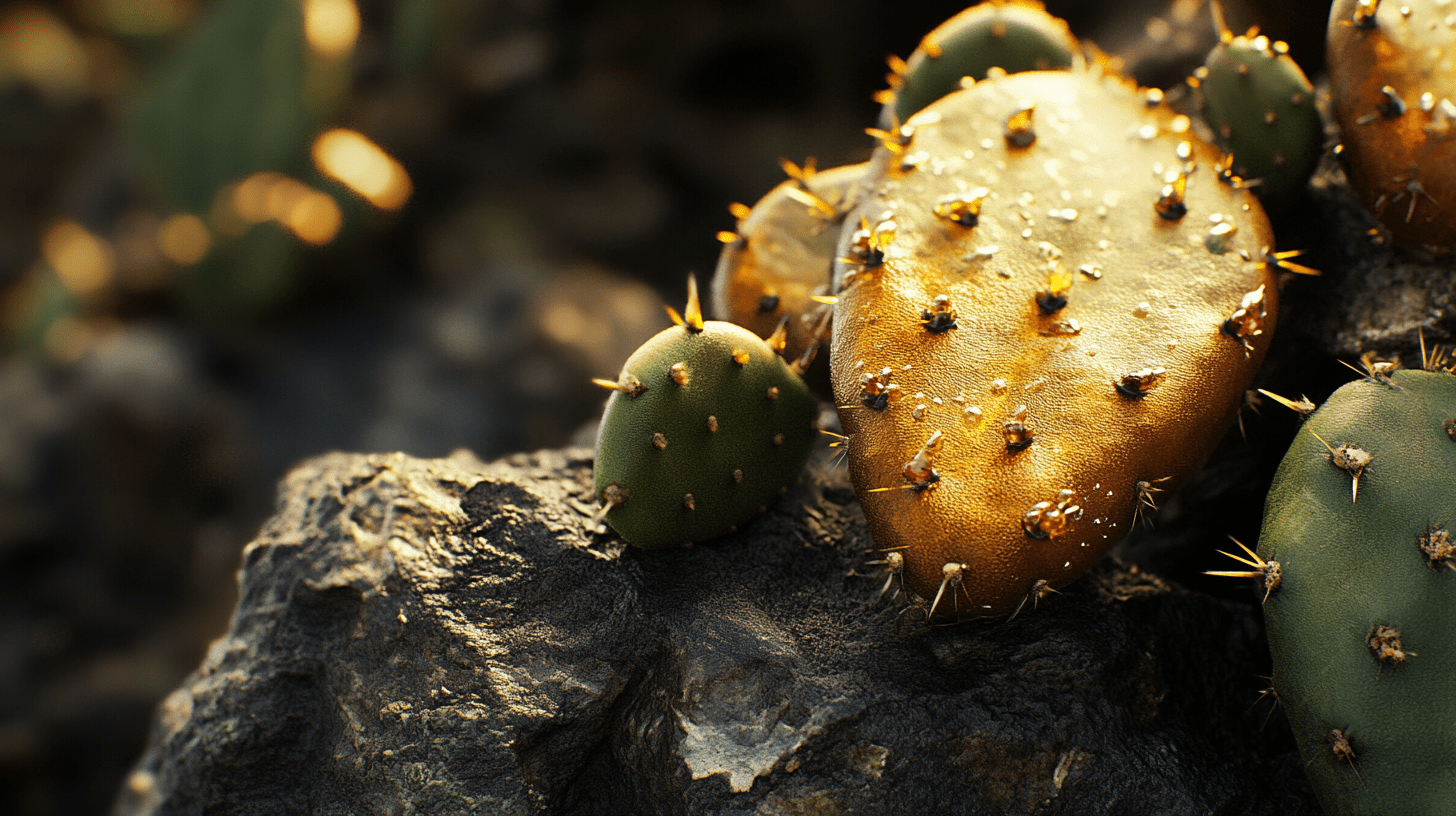
Several topical ingredients regularly appear in routines aimed at preserving the radiance of mature skin. Carnosine (a natural dipeptide) is one of the most cited active ingredients in this category. Blueberry extract and plant anthocyanins are also valued for their antioxidant reputation. Alpha-lipoic acid is often mentioned for its place in radiance care. Finally, N-acetyl-carnosine, which is more stable at physiological pH than carnosine, is appreciated for its comfort of use. Nopal Life's prickly pear seed oil fits into this radiance approach due to its natural richness in tocopherols (natural vitamin E), an ingredient traditionally associated with skin comfort and supple appearance. Daily evening application easily integrates into a routine, when the skin fully benefits from the care during the night.
The Nopal Life radiance protocol for dull combination skin
The Nopal Life routine for dull combination skin operates on three complementary levels: diet, radiance care, and texture maintenance. Level 1 (dietary): moderate refined sugars (indicative goal: less than 25g of added sugars per day), prioritize gentle cooking methods, increase the intake of reputedly antioxidant foods (green tea, blueberries, spinach, turmeric). Level 2 (topical care): 15% vitamin C antioxidant serum every morning (to support radiance against external aggressions), carnosine or blueberry extract serum 2 to 3 times a week, pure prickly pear seed oil every evening (natural richness in tocopherols). Level 3 (texture and radiance): 0.3% retinol 2 evenings a week to support natural skin renewal, weekly AHA exfoliation to refine surface appearance and revive radiance. This comprehensive routine, maintained over 12 weeks, aims for visible improvement in complexion appearance, texture, and apparent firmness, combining radiance actions and regular care. Regularity is key: it is a maintenance approach that builds over time, with consistency and constancy on several fronts.
Frequently Asked Questions
Q: How do I know if my skin's appearance is linked to skin glycation?
A: The most commonly mentioned visible signs are a yellowish or olive complexion, skin that appears opaque and lacks radiance, a visible loss of bounce, and a texture that seems to have stiffened with age. These signs are more visible in natural light and can be accentuated by a diet rich in sugars.
Q: Can the appearance linked to skin glycation evolve?
A: It is generally considered that already established signs evolve slowly. However, a regular routine can help preserve radiance, support natural skin renewal, and revive the complexion's surface appearance through exfoliation and radiance care.
Q: Does diet really have a visible impact on dull skin?
A: This is a widely held belief. A low glycemic index diet is often associated with a more luminous-looking complexion. Reducing refined sugars and increasing antioxidant-rich foods are two habits frequently cited for maintaining complexion radiance.
Q: Is topical vitamin C beneficial for radiance?
A: Yes, it is one of the most appreciated ingredients in radiance routines. Vitamin C is widely used to help unify the complexion's appearance and revive skin luminosity, making it a versatile and very popular active ingredient.
Q: Is coffee detrimental to skin radiance?
A: Not per se. Coffee contains polyphenols (chlorogenic acids) often cited among compounds of interest for radiance routines. It is rather the addition of sugar to coffee that is generally discouraged when wishing to preserve complexion appearance, not the coffee itself.
Q: Should I completely stop sugar to preserve my skin's radiance?
A: No, a total restriction is unnecessary and impractical. The idea is rather to moderate high glycemic index sugars (refined sugars, sugary drinks) and prefer complex carbohydrates with a low GI (legumes, whole grains, whole fruits).
Q: Are nutritional supplements useful for skin radiance?
A: Carnosine, benfotiamine (fat-soluble vitamin B1), and alpha-lipoic acid are sometimes mentioned as complements to a low-GI diet. They support good lifestyle habits but do not replace them.
RECOMMENDED CARE
Pure Prickly Pear Seed Oil
Natural formula · Origin Algeria
DISCOVER THIS PRODUCT →Read more
Information provided for cosmetic and educational purposes; it does not constitute medical advice.


Go further than this article
Get our skincare guides by email — and start with your free skin diagnostic: 2 minutes, advice tailored to your skin. We ship to the US, UK, Canada, Australia and 27 European countries; somewhere else? Sign up and you will be the first to know when we deliver to your country.
By signing up, you agree to our privacy policy. Unsubscribe in one click.