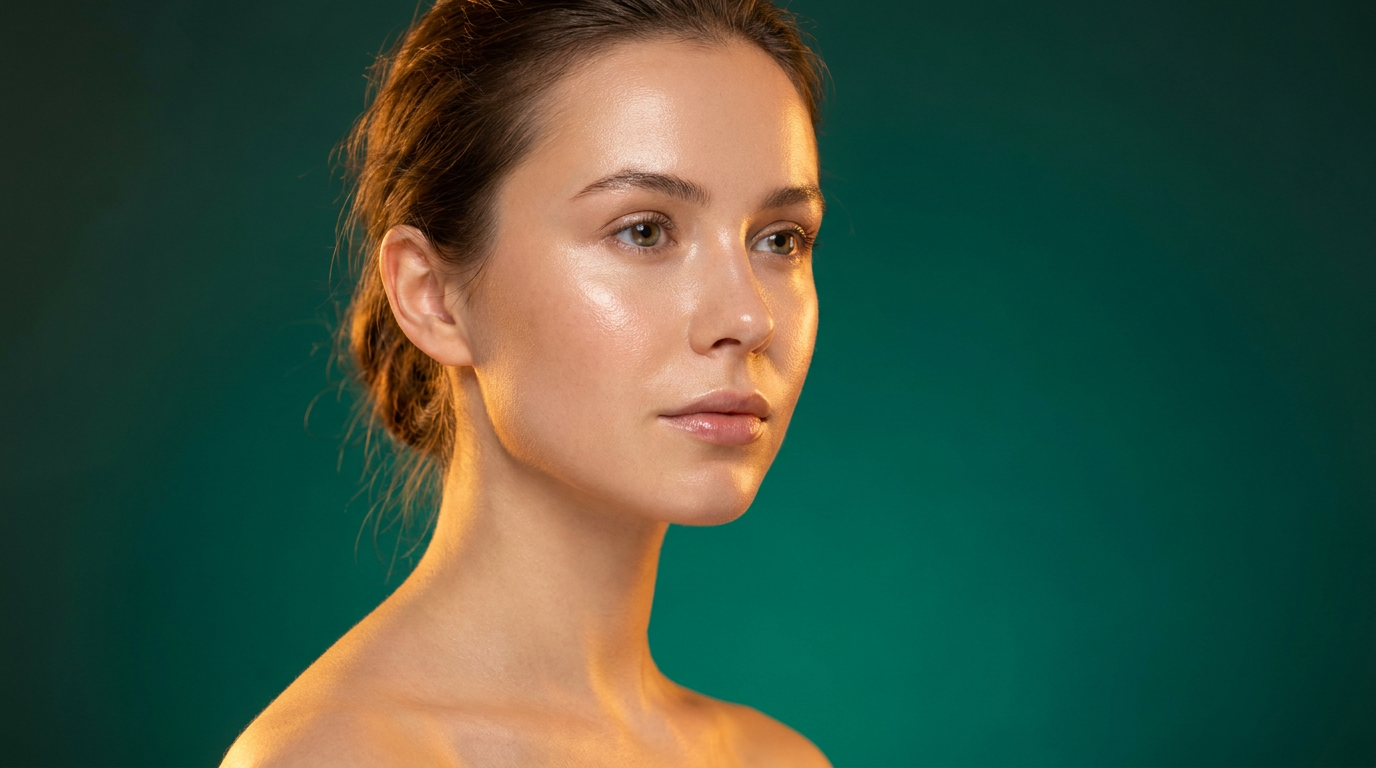
Matifying facial sunscreen: protect without shine
A mattifying facial sunscreen must protect against UVA and UVB while controlling shine without drying out the skin. The SPF rating primarily indicates UVB protection; also look for a UVA logo or broad-spectrum protection. Apply about two finger-lengths for the face and neck.
SPF, UVA, and UVB: prioritize protection over texture
SPF measures the ability to delay erythema, mainly linked to UVB, under laboratory conditions. In Europe, UVA protection must reach at least one-third of the SPF when the encircled UVA logo is used. An SPF 50+ offers a useful margin if the applied amount is insufficient.
The mattifying formula should never overshadow the importance of protection. Check the index, broad-spectrum mention, water resistance if necessary, and reapplication instructions. A dry finish is a comfort criterion, not a measure of sun defense.
The module on sun protection details UVA and UVB indices.
How a formula mattifies the skin
Silica, starch, arrowroot powders, or certain polymers absorb some sebum and diffuse light. Fluid textures contain fewer heavy oils and dry quickly. The presence of alcohol can improve the dry feel but may become uncomfortable on sensitive skin.
Matte finish also depends on the cream applied underneath. A rich cream followed by a fluid SPF might look shinier than the SPF alone. Test the complete routine, not just the product on the back of your hand.
The sheet on mattifying arrowroot explains the role of absorbent powders.
Oily, combination, or sensitive skin: choosing the right base
Oily skin often prefers a fragrance-free fluid or gel-cream. Combination skin can use the same SPF all over and add a cream only on the cheeks. Sensitive skin seeks a fragrance-free formula with well-tolerated filters and moisturizing agents.
Darker skin tones should check for a white cast in natural light. Mineral filters can leave more residue, while organic filters often provide a more transparent finish. Tinted versions sometimes reduce the grayish effect.
| Profile | Texture | To look for | To watch out for |
| Oily | Fluid | Silica, niacinamide | High alcohol content |
| Combination | Gel-cream | Light hydration | Shine cheeks/T-zone |
| Sensitive | Thin cream | Fragrance-free | Eye stinging |
| Darker skin | Tinted fluid | Transparent finish | White cast |
Correct dose: two finger-lengths
Apply a line of product on your index finger and a second on your middle finger to cover your face and neck. Distribute in five points, then smooth without forgetting the ears, jawline, and hairline. A layer that is too thin significantly reduces actual protection.
Allow to dry for five to ten minutes before makeup. If the full amount is difficult to spread, apply in two successive layers. Do not mix SPF with cream or foundation, as the distribution of filters becomes unpredictable.
- 2 finger-lengths for face and neck
- Apply 15 minutes before sun exposure
- Reapply every 2 hours outdoors
- After swimming or heavy sweating
- Do not mix with makeup
Reapplication without turning your face into a shiny layer
Outdoors, reapply every two hours, especially after sweating, rubbing, or swimming. First, blot excess sebum with blotting paper, then apply a new thin layer. A stick can supplement high areas but does not always replace a full amount.
In the office, away from windows and without direct exposure, the frequency can be adapted to the context. Morning remains the essential step. A standalone SPF powder is rarely applied in sufficient quantity to provide the advertised protection.
The guide sun-exposed skin specifies reapplication situations.
Makeup, pilling, and matte finish longevity
Wait for each layer to dry. Use a maximum of a pea-sized amount of cream under the SPF and avoid multiple gel serums. Press foundation with a sponge instead of rubbing, which displaces the sun film less.
If the product pills, reduce the underlying layers or change the combination, not the SPF dose. A silicone base may be compatible with some filters and not others. Three morning trials are enough to assess longevity.
The morning skincare routine order helps limit pilling.
End-of-day shine: distinguishing between sebum and sun film
Slight shine does not mean protection has failed. Sebum, sweat, and emollients mix over hours. Blot gently without rubbing, then reapply if exposure continues.
A very drying finish can stimulate a sensation of discomfort and lead to applying more cream. Seek a balance: matte for a few hours, absence of dry patches, and good tolerance around the eyes.
A mattifying facial sunscreen must remain fluid enough to be applied in full quantity.
The comfort of a mattifying facial sunscreen is judged after several hours, not just at the time of application.
For combination skin, a mattifying facial sunscreen can replace moisturizer on the T-zone.
What a matte finish cannot promise
A mattifying facial sunscreen does not tighten pores or permanently reduce sebum production. It absorbs some shine and improves feel for several hours.
It does not protect properly if the quantity is too small or if the layer is removed by rubbing. The best product is one you can apply generously every day, without discomfort or a bothersome cast.
Matte finish should not compromise the dose
A mattifying texture spread in a thin veil to avoid shine negates the protection sought: two finger-lengths remain the benchmark. A tinted sunscreen makes this quantity acceptable daily, and that's the only criterion that matters for a product used every day.


Go further than this article
Get our skincare guides by email — and start with your free skin diagnostic: 2 minutes, advice tailored to your skin. We ship to the US, UK, Canada, Australia and 27 European countries; somewhere else? Sign up and you will be the first to know when we deliver to your country.
By signing up, you agree to our privacy policy. Unsubscribe in one click.