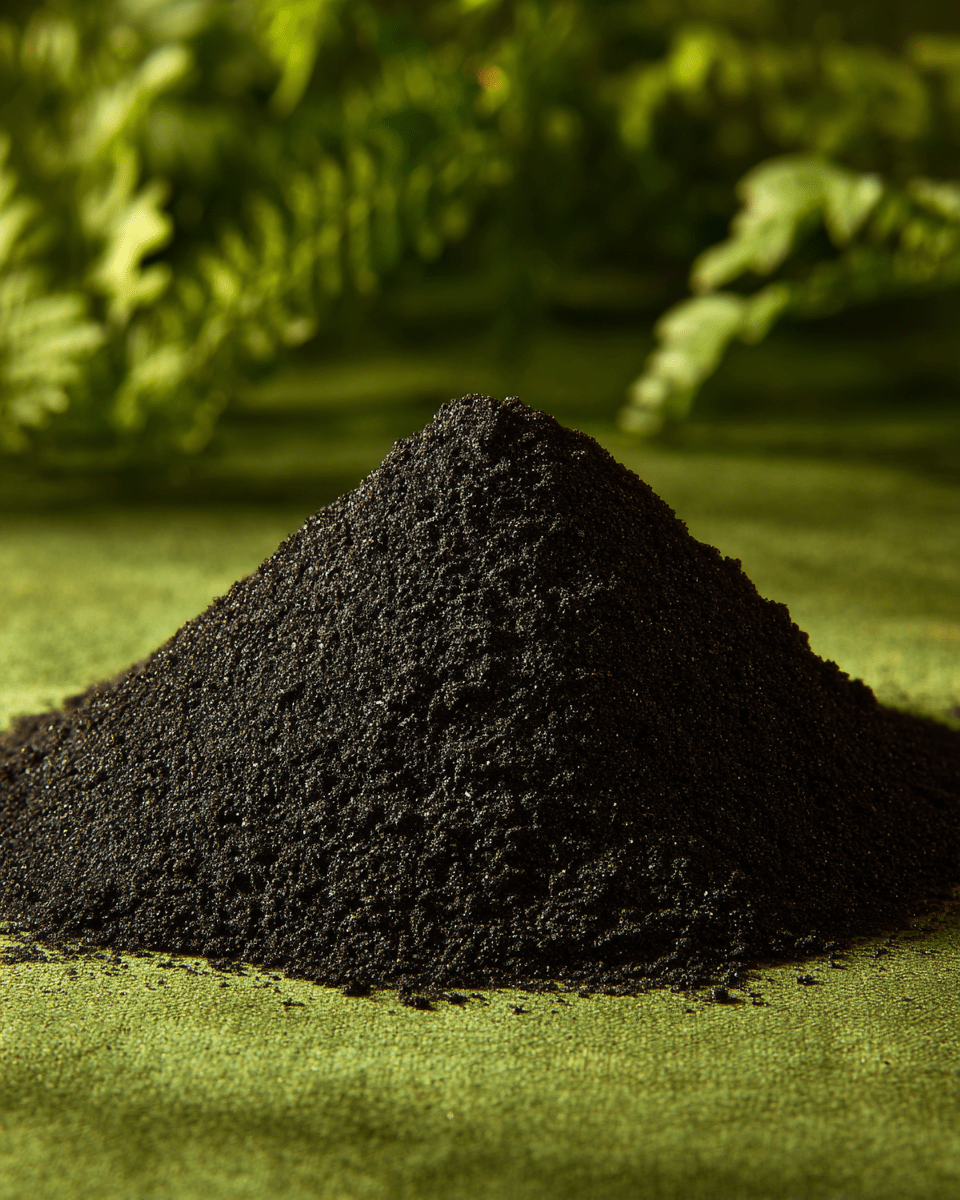
Natural anti-wrinkle: baking soda, myth or ally
Natural anti-aging aims to preserve the skin's firmness, elasticity, and radiance for as long as possible by acting on controllable factors: sun protection, combating oxidative stress, hydration, and targeted care. From 25 to 30 years old, collagen production decreases by about 1% per year, but this process can be significantly slowed down by a consistent and regular approach. This comprehensive guide brings together essential natural levers—good practices, active ingredients, vegetable oils, and lifestyle—and frankly assesses popular homemade remedies, from honey masks to the famous baking soda.
Understanding skin aging: a natural, partly preventable process
This process combines two dynamics. Intrinsic aging, genetically programmed, results in a progressive slowdown of skin renewal and synthesis of support fibers. Added to this is extrinsic aging, linked to the environment: sun exposure, pollution, smoking, unbalanced diet, and stress.
Two major proteins structure the skin: collagen, which provides firmness, and elastin, which provides suppleness and bounce. From 25 to 30 years old, their production declines by about 1% per year. This rate then accelerates, particularly during menopause due to hormonal changes. Understanding these mechanisms allows us to act on what is modifiable rather than simply enduring it. This is the whole point of a natural and regular approach: to slow down, support, and preserve.
Read also: How to preserve your collagen naturally?
Photoaging: the primary preventable factor
Exposure to UV rays is considered the main cause of premature skin aging. UVA rays reach the deep layers, where they promote the production of free radicals. In excess, these unstable molecules generate oxidative stress which damages collagen and elastin fibers.
Free radicals quickly appear on the epidermis after UV exposure, with an increase that can prolong. This is why daily sun protection remains the most cost-effective preventive measure: it helps limit this accelerated degradation and preserve the smooth and firm appearance of the face in the long term. An SPF in the morning, every day, is better than any corrective evening treatment.
Antioxidants: the natural shield against free radicals
Against oxidative stress, antioxidants act as a shield by helping to neutralize free radicals. Among the most studied for their protective properties are vitamin C, which contributes to radiance and helps unify skin tone; vitamin E (tocopherol), fat-soluble, which helps limit the oxidation of surface lipids; and polyphenols from green tea, grapes, or ginkgo. These two vitamins act synergistically, with the first helping to regenerate the second.
Prickly pear seed oil is one of the most concentrated plant sources of vitamin E, with a remarkable free radical scavenging capacity. These properties make it a prime choice among the natural active ingredients in targeted skincare.
Read also: The best antioxidants for the skin
Choosing the right skincare vegetable oil
Not all oils are equal when it comes to facial care. Some absorb quickly and are suitable for mature skin, while others are richer and reserved for the body. Two useful benchmarks: the dominant active ingredient and the comedogenic index, which indicates the risk of clogging pores. Here's how the most common oils in natural beauty are positioned.
| Vegetable Oil | Key Active Ingredient | Comedogenic Index* | Texture | Recommended Skin & Use |
|---|---|---|---|---|
| Prickly Pear | Vitamin E, sterols, omega-6 | 1 | Dry, absorbs quickly | Mature skin, evening |
| Rosehip | Natural Vitamin A, omega-3 and 6 | 1 | Dry | Dull complexion, evening |
| Argan | Tocopherol, omega-9 | 0 | Semi-dry | Normal to dry skin, morning and evening |
| Jojoba | Waxes similar to skin sebum | 2 | Fluid, balancing | Combination skin, morning |
| Olive | Squalene, polyphenols | 2 | Thick, nourishing | Very dry skin and body |
| Coconut | Lauric acid | 4 | Occlusive | Body and hair rather than face |
* Comedogenic index: from 0 (does not clog pores) to 5 (highly comedogenic).
The key message: for a mature complexion, prefer a fine, low-comedogenic oil like prickly pear; reserve coconut and olive for the body. A few drops are enough, applied to slightly damp skin for better absorption.
Wrinkles, fine lines, and loss of firmness: acting on the signs
The first visible signs are fine lines, superficial lines often linked to dehydration, followed by more pronounced wrinkles, deepened by repeated muscle contractions and a decrease in collagen. Added to this is glycation, a reaction of sugar with supporting proteins that stiffens collagen and elastin.
In parallel, the skin may lose firmness and density, giving it a sagging appearance. A natural approach combines hydration, antioxidant active ingredients, hyaluronic acid serums, facial massage, and regular care to help smooth skin texture and preserve a firm and plump appearance.
Read also: Wrinkles and fine lines: causes and natural solutions and Naturally firm facial skin.
Baking soda, a natural anti-wrinkle?
Baking soda constantly reappears in homemade beauty recipes: it's presented as an express scrub or an "anti-wrinkle" mask to mix with a little water, using one tablespoon. However, no anti-wrinkle benefits have been demonstrated, and its profile clearly poses a problem for cosmetic use.
The culprit: its pH. Baking soda is an alkaline powder, and its solution has a pH of about 8 to 9. However, the hydrolipidic film that protects the epidermis is slightly acidic, around pH 4.7 to 5.5. Applying such an alkaline ingredient disrupts this balance: the result is tightness, dryness, and increased sensitivity, especially on already mature or reactive skin. The "smoothing" effect felt immediately afterward comes from slight mechanical abrasion, not a true deep action.
What to replace it with? To gently renew the epidermis, a skin-pH-friendly exfoliation is better (enzymatic scrub or gentle exfoliants, once or twice a week). And to durably smooth skin texture, we return to the basics: antioxidants, nourishing vegetable oils, hydration, and sun protection. Baking soda, however, remains useful... for cleaning, not for the face.
Homemade recipes: those worth it, those to avoid
Not all homemade recipes are equal. Some kitchen ingredients are gentle and beneficial for skin comfort; others, widely shared online, should be handled with caution.
- Honey: a humectant rich in antioxidant compounds, it makes a comforting mask. Mix one tablespoon of organic honey with a little plain yogurt, apply to clean skin, leave on for 10 to 15 minutes, then rinse with lukewarm water.
- Rose water (hydrosol): as a mist or on a cotton pad, it refreshes and provides a sensation of coolness and comfort, morning and evening.
- Olive oil: rich in squalene and polyphenols, it nourishes very dry areas and the body; for the face, prefer a finer oil like prickly pear.
- Coconut oil: very nourishing but comedogenic (index 4), it is more suitable for the body and hair than for the face prone to imperfections.
- Lemon: to be avoided on the skin. Its juice is photosensitizing (furocoumarins) and can cause spots after sun exposure. It's not the radiance ally we imagine, despite its reputation.
The golden rule for these homemade preparations: test on the crook of your elbow, never apply irritating ingredients around the eyes, and prioritize formulated products, preferably organic, when looking for specific and dosed active ingredients.
Building your natural anti-aging routine, morning and night
An effective routine relies on regularity rather than product accumulation. In the morning: gentle cleansing, antioxidant serum (vitamin C or ginkgo booster), hydration, then sun protection—the non-negotiable step. In the evening: cleansing, targeted serum with hyaluronic acid to plump the skin's appearance, then a richer treatment, such as a night cream or a few drops of vegetable oil.
Premium oils, such as prickly pear seed oil, are ideally incorporated into evening care to help nourish and revitalize mature epidermises. Lifestyle is just as important: sleep, a diet rich in antioxidants, sufficient water intake, and limiting sugar and tobacco, which accelerate sagging.
Regarding ingredients, short and well-dosed formulas are better: few components, identifiable active ingredients like hyaluronic acid, and textures—fluid serum, enveloping cream—that support the skin's natural renewal.
Read also: Natural anti-aging routine, step by step.
Personalize your approach through diagnosis
Each skin is unique: type, needs, sensitivity, and priorities differ from person to person. To target the most suitable treatments, NOPAL LIFE's Skin Intelligence diagnosis analyzes your skin and guides you towards the practices that suit you. It's the ideal starting point for building a coherent and sustainable strategy. 👉 Start my free diagnosis
Frequently Asked Questions
At what age should I start an anti-aging routine?
Prevention can begin from 25 to 30 years old, a period when collagen production starts to decrease. Sun protection and good daily care are useful at any age.
Is baking soda a good natural anti-wrinkle?
No. Baking soda is alkaline (pH 8 to 9) and disrupts the skin's hydrolipidic film, which is slightly acidic at around pH 4.7 to 5.5. No anti-wrinkle effect has been demonstrated, and it is not recommended for facial use. Antioxidants, vegetable oils, and good sun protection are preferred.
Are natural treatments really effective against aging?
Plant-based antioxidants and nourishing active ingredients help protect the epidermis and improve its appearance. They are part of a cosmetic skincare approach, without medical intent.
What is the most important anti-aging step?
Daily sun protection, because UV rays are the primary preventable factor of premature aging.
Does diet play a role?
A diet rich in antioxidants and low in simple sugars helps limit oxidative stress and glycation, two key factors in this process.
Do I need a lot of products for good results?
No. The regularity and consistency of actions take precedence over the number of products.
In summary
Natural anti-aging relies on a few pillars: protecting oneself from the sun, combating oxidative stress with antioxidants, hydrating, nourishing with well-chosen vegetable oils, and adopting a good lifestyle. For homemade preparations, use honey or rose water for comfort, but avoid baking soda and lemon on the face. Rather than trying to erase time, the goal is to support the skin with regularity and kindness. For tailored support, start with the Skin Intelligence diagnosis and discover pure prickly pear seed oil, a concentrate of natural antioxidants.
Sources: Eucerin, SkinCeuticals, AFME, A-Derma, Compagnie des Sens.
Information provided for cosmetic and educational purposes; it does not constitute medical advice.
Next reading
- Effects of Hyaluronic Acid on wrinkles: myth or real effectiveness...
- Anti-aging & Wrinkles: addressing the appearance of wrinkles
- What anti-aging face routine morning and evening according to age?
- Kobido: what is this facial treatment? The guide
- How to recognize mature skin?
- Take my free skin diagnosis (2 min)


Go further than this article
Get our skincare guides by email — and start with your free skin diagnostic: 2 minutes, advice tailored to your skin. We ship to the US, UK, Canada, Australia and 27 European countries; somewhere else? Sign up and you will be the first to know when we deliver to your country.
By signing up, you agree to our privacy policy. Unsubscribe in one click.