Comedogenic face oil: myths & 0-5 rating
In this article, we address common misconceptions about facial oils , their true benefits for mature skin, and best practices for effectively integrating them into a natural skincare routine with concentrated active ingredients.
Face oils are making a real comeback in skincare routines, especially in anti-ageing care. Rich in essential fatty acids, vitamins, and antioxidants, they are often presented as valuable allies for nourishing the skin, improving its elasticity, and supporting natural regeneration mechanisms. Yet, many misconceptions persist: oils are too greasy, incompatible with certain skin types, or ineffective against the signs of ageing.
So, are face oils really suitable for mature skin? Can they help improve skin firmness, hydration, and radiance? And most importantly, how should they be properly integrated into an anti-ageing routine to fully benefit from their properties?
In this article, we address the common misconceptions about face oils, their true benefits for mature skin, and best practices for effectively incorporating them into a natural skincare routine with concentrated active ingredients.
Why face oils are particularly beneficial for mature skin
Over time, the skin undergoes several natural transformations:
-
decreased collagen
-
slower cell renewal
-
loss of elasticity
-
deterioration of the skin barrier.
These changes often lead to:
-
drier skin
-
more visible fine lines
-
a duller complexion
-
increased sensitivity to external aggressors.
Vegetable oils can address many of these needs thanks to their naturally nutrient-rich composition.
Restore the skin's lipid barrier
The skin barrier is partly composed of lipids that protect the skin against dehydration and external aggressors.
Vegetable oils, rich in essential fatty acids, help to:
-
nourish the skin
-
strengthen the skin barrier
-
improve epidermal suppleness.
Provide natural antioxidants
Many vegetable oils contain vitamin E and other antioxidant compounds. These molecules help combat oxidative stress, one of the factors of skin ageing.
Improve the overall appearance of the skin
Well-nourished skin often appears:
-
more supple
-
more comfortable
-
more radiant.
Face oils can thus help improve skin texture and complexion radiance.

Misconception #1: Face oils are too greasy for the skin
One of the most common misconceptions is that face oils are too rich or too greasy for daily use.
In reality, it all depends on the type of oil and the quantity used.
Variable absorption depending on the oil
Some vegetable oils have a light texture and penetrate the skin quickly. They can be used in a daily routine without leaving a greasy film.
A question of dosage
A few drops are usually enough to nourish the skin. Excessive application can give the impression of an overly rich product.
When used correctly, face oils provide comfort and nourishment without weighing down the skin.
Misconception #2: Oils are not for hydrating the skin
It is often said that oils do not hydrate the skin. This statement is partially true.
Oils do not contain water, but they play an essential role in maintaining skin hydration.
The role of oils in hydration
Vegetable oils help to:
-
strengthen the lipid barrier
-
limit water evaporation
-
maintain skin hydration.
For optimal hydration, they are often combined with hydrating active ingredients such as Hyaluronic Acid or Aloe Vera.
This combination provides both water and lipids to the skin.
Misconception #3: Face oils are not effective against wrinkles
Vegetable oils do not replace certain targeted cosmetic active ingredients, but they can play an important role in preventing skin ageing.
Deeply nourish the skin
The fatty acids present in vegetable oils help improve skin suppleness. Well-nourished skin can appear smoother and more comfortable.
Support skin regeneration
Certain vegetable oils are rich in vitamins and sterols that help maintain skin quality.
Combined with other active ingredients like Vitamin C or Retinol, they can help improve the overall appearance of the skin.
How to integrate a face oil into an anti-ageing routine
The effectiveness of face oils largely depends on their place in the skincare routine.
Step 1: Cleanse the skin
Cleansing removes impurities and prepares the skin to receive treatments.
Gentle cleansers respect the skin's balance and prevent it from becoming fragile.
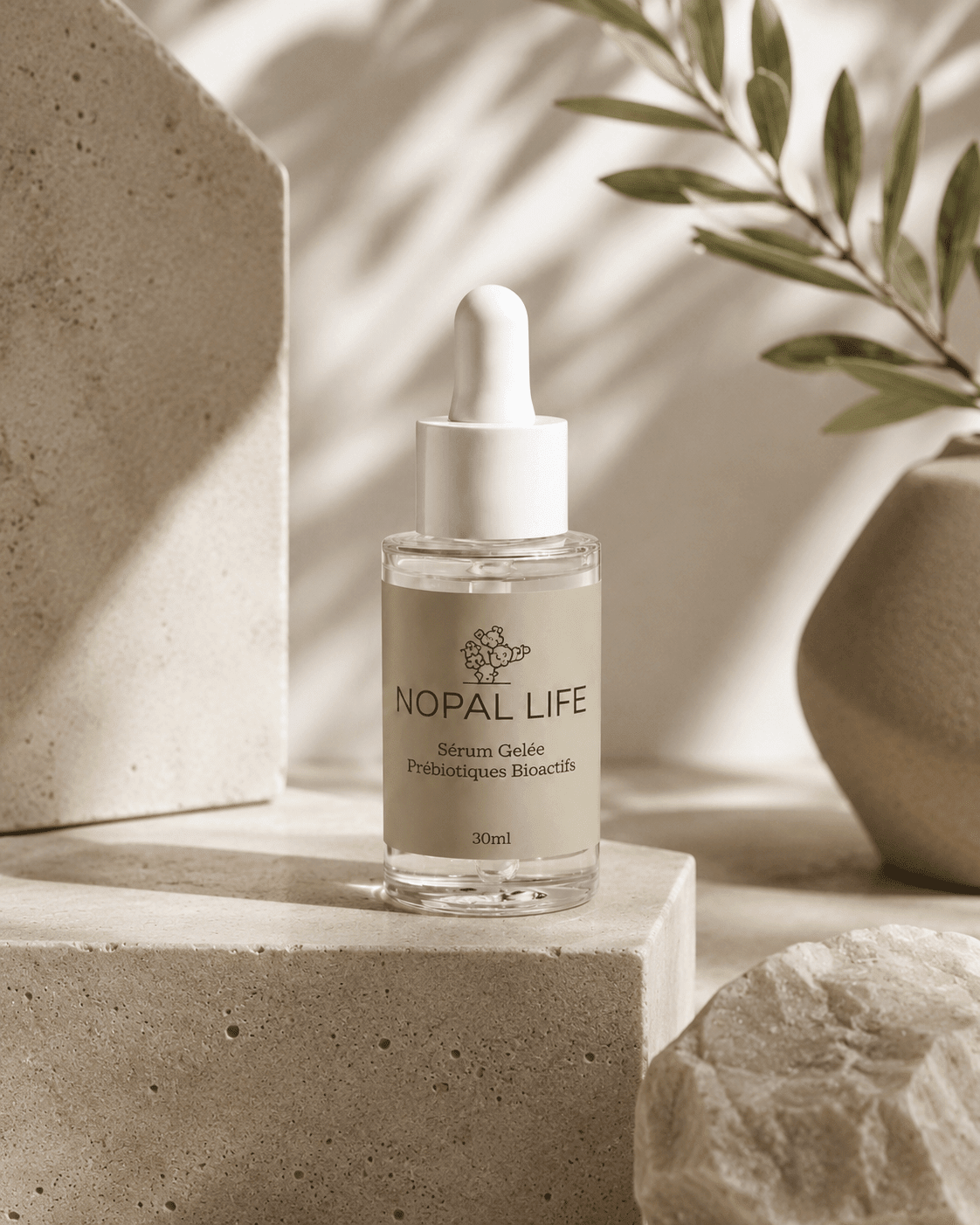
Step 2: Apply a hydrating serum
Before the oil, it is often recommended to apply a serum containing hydrating active ingredients.
For example:
-
hyaluronic acid
-
aloe vera
-
prebiotics.
These active ingredients provide water to the skin.
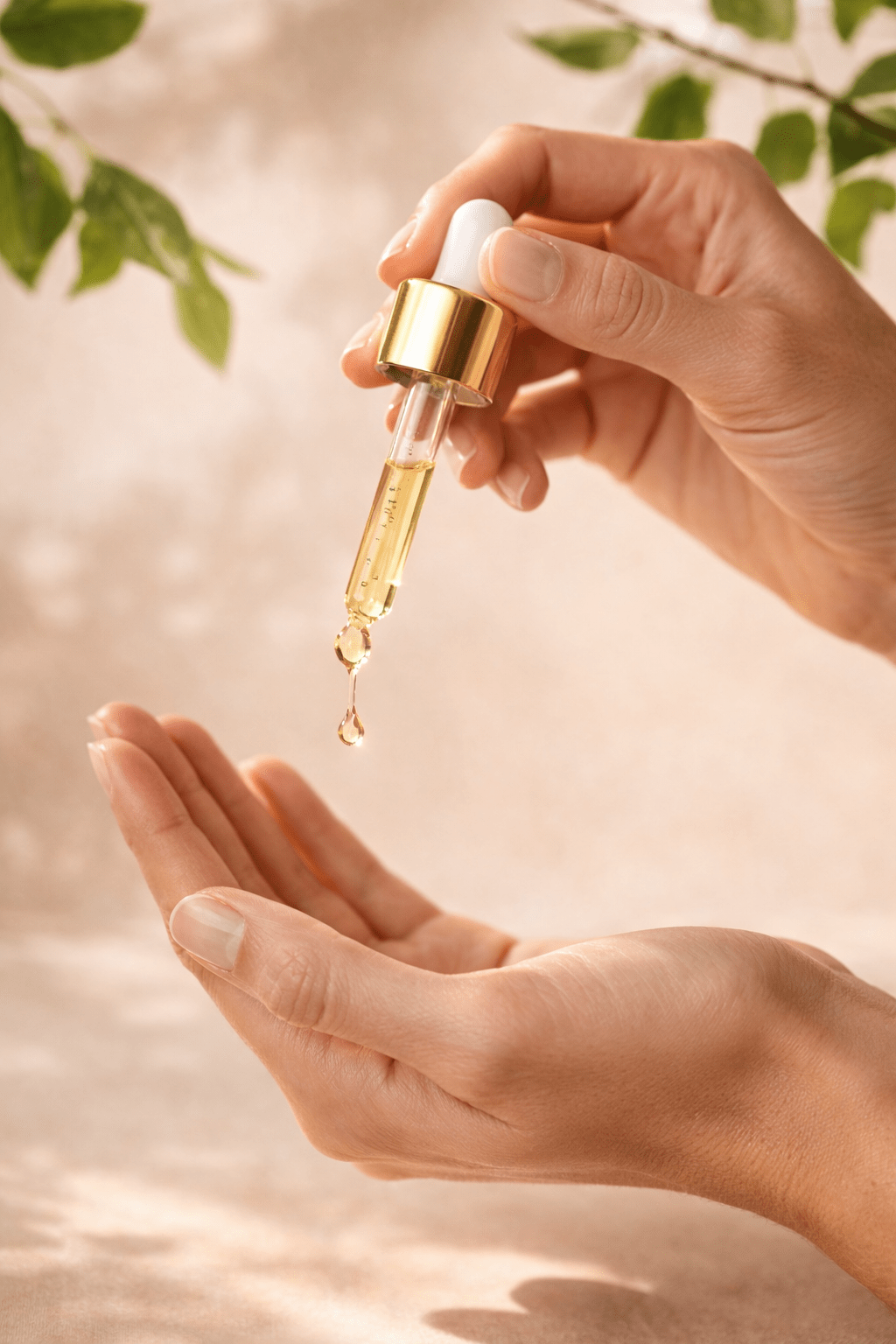
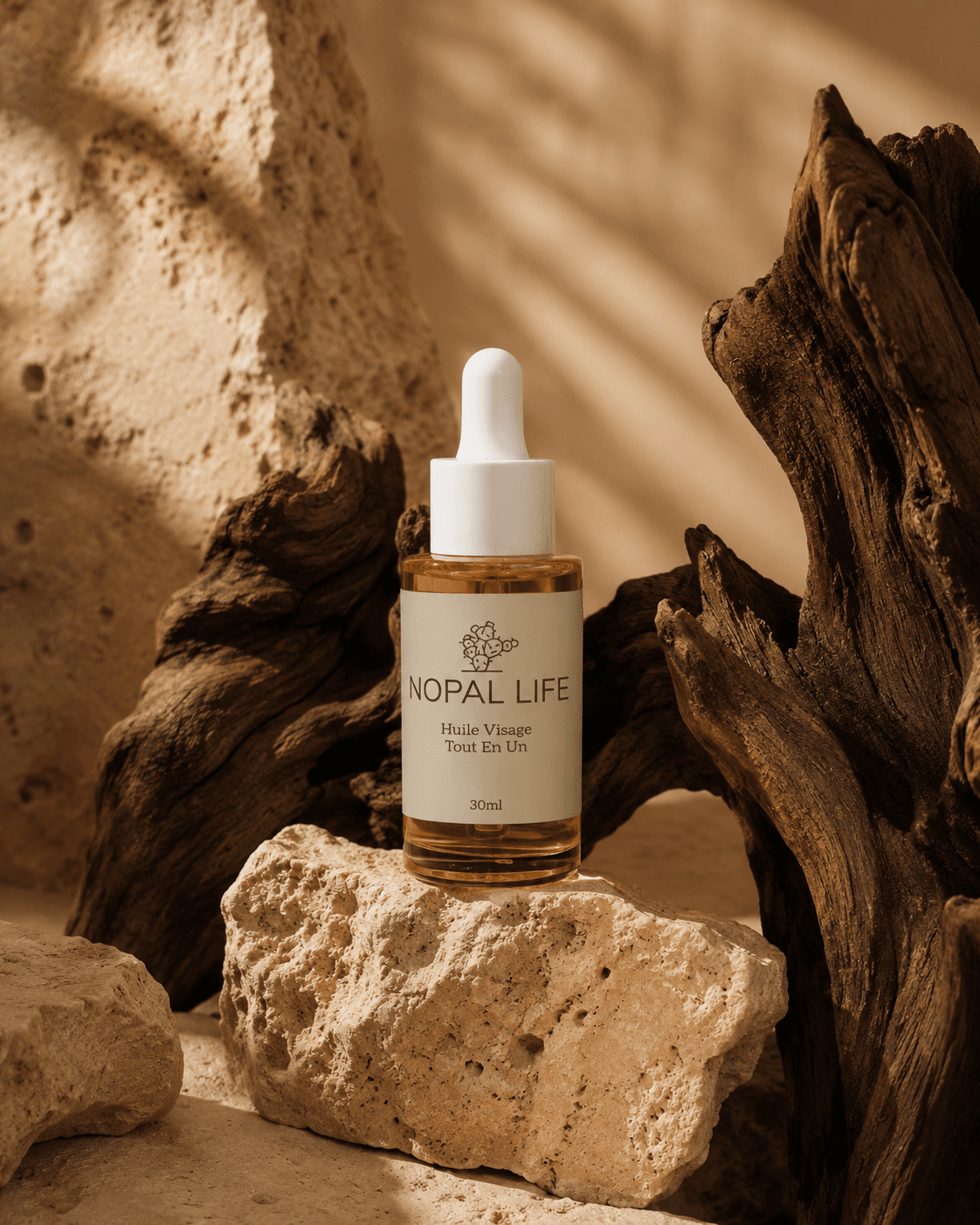
Step 3: Apply face oil
The oil helps seal in hydration and nourish the skin.
It can be applied:
-
alone
-
mixed with a face cream
-
after a hydrating serum.
A few drops are usually enough for the entire face.
Step 4: Supplement with targeted treatments
Masks and gentle exfoliants help to:
-
improve skin texture
-
promote active ingredient penetration
-
stimulate cell renewal.
Best practices for using face oils on mature skin
Choose an oil adapted to your skin type
Not all vegetable oils have the same properties. Some are more nourishing, others lighter.
The choice of oil should be adapted to the specific needs of the skin.
Opt for quality oils
To fully benefit from the advantages of vegetable oils, it is preferable to choose:
-
oils from organic farming
-
cold-pressed oils
-
formulations rich in natural active ingredients.
Use oil regularly
As with most cosmetic treatments, regularity is essential to achieve visible results.
 
|
 
|
Expert tips for optimizing a natural anti-ageing routine
To maximise the benefits of face oils:
-
prefer certified organic natural cosmetics
-
choose treatments rich in concentrated active ingredients
-
combine oils with hydrating and antioxidant active ingredients.
Certain natural skincare routines combine several types of treatments:
-
hydrating serums
-
vegetable oils rich in nutrients
-
protective face creams
-
regenerating masks.
This approach addresses several aspects of skin ageing: hydration, nourishment, and protection.
FAQ – Face oils and mature skin
Are face oils suitable for mature skin?
Yes. Vegetable oils are particularly well-suited for mature skin because they nourish the skin and strengthen the skin barrier.
Can face oil be used every day?
Yes, oils can be used daily in a skincare routine.
Do face oils replace a moisturiser?
Not always. Oils nourish the skin but are often more effective when combined with a hydrating treatment.
Can face oils help reduce wrinkles?
They do not eliminate wrinkles, but they can improve skin suppleness and reduce the appearance of fine lines.
Are face oils suitable for sensitive skin?
Yes, some vegetable oils are particularly gentle and well-tolerated by sensitive skin.
Conclusion
Face oils are true allies for mature skin, provided they are used correctly and quality formulations are chosen. Rich in essential fatty acids and antioxidants, they help nourish the skin, strengthen the skin barrier, and improve epidermal suppleness.
Far from common misconceptions, they can perfectly integrate into a natural anti-ageing routine alongside other hydrating and regenerating active ingredients. Combined with treatments rich in concentrated active ingredients, they help preserve the skin's radiance, comfort, and vitality over time.


Go further than this article
Get our skincare guides by email — and start with your free skin diagnostic: 2 minutes, advice tailored to your skin. We ship to the US, UK, Canada, Australia and 27 European countries; somewhere else? Sign up and you will be the first to know when we deliver to your country.
By signing up, you agree to our privacy policy. Unsubscribe in one click.